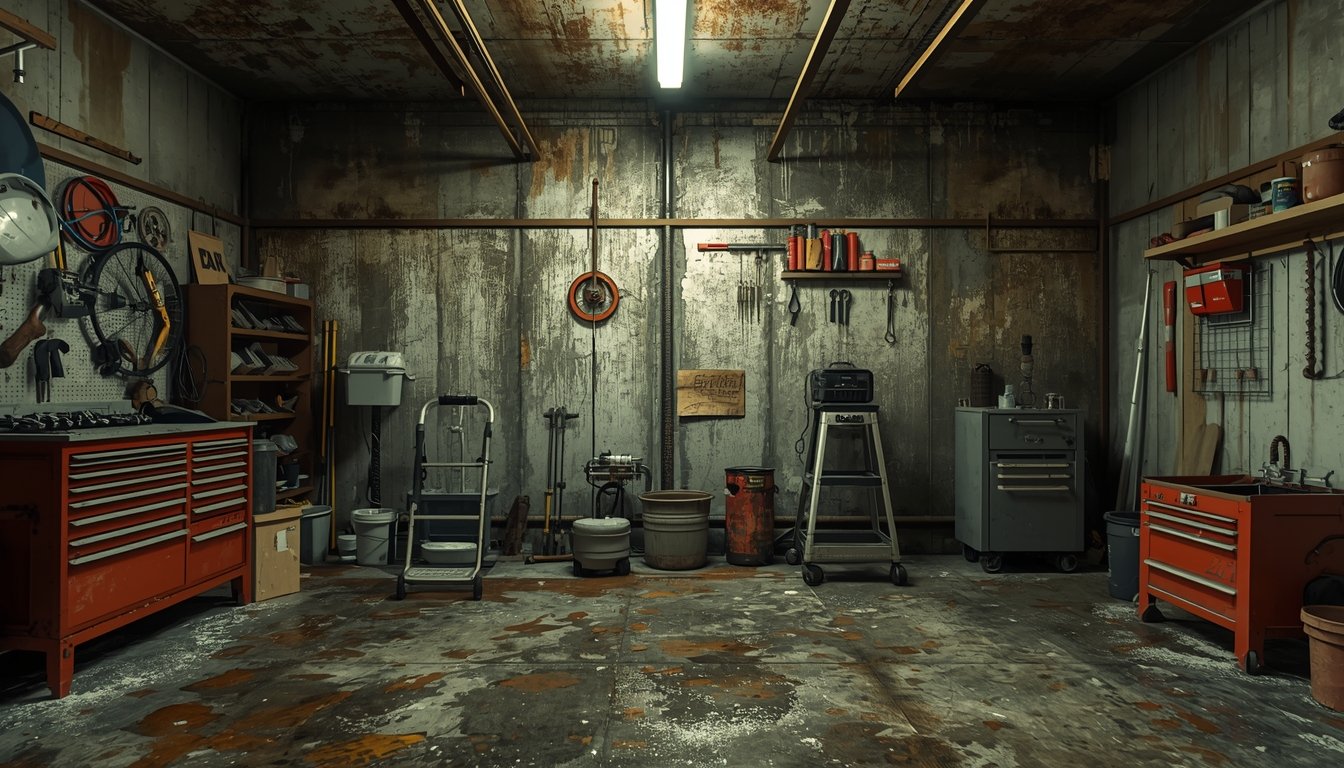
Garages are often one of the most overlooked areas of the home when it comes to moisture control. In most homes, they are not insulated, sealed, or climate-controlled like interior living spaces. This means outside air, temperature swings, and everyday use can all contribute to rising humidity levels without it being immediately obvious.
At first, a slightly damp garage might not seem like a problem. Many people assume it is just part of having a space that is exposed to the outdoors. However, over time, excess moisture can quietly affect everything in the garage, from the condition of tools and equipment to the structure of the space itself.
A garage dehumidifier is designed to manage this issue by removing moisture from the air and maintaining a more stable environment. Understanding what it does and whether you actually need one can help you prevent long-term damage and keep your garage functioning as it should.
What a Garage Dehumidifier Actually Does
- Removes excess moisture from the air to maintain a balanced humidity level
- Prevents condensation from forming on walls, floors, and stored items
- Reduces the likelihood of mold, mildew, and musty odors developing
- Protects tools, vehicles, and equipment from rust and corrosion
- Helps preserve stored items such as cardboard boxes, fabrics, and electronics
A garage dehumidifier works by pulling humid air into the unit, extracting the moisture, and then releasing drier air back into the space. The collected water is either stored in a tank or drained away through a hose, depending on the setup. In most homes, the unit will cycle on and off to maintain a consistent humidity level rather than running continuously.
Many people find that once a dehumidifier is running regularly, the overall feel of the garage changes. The air becomes lighter, surfaces stay dry, and issues like condensation or musty smells begin to reduce. Over time, this creates a more stable environment that is easier to maintain.
Why Garages Are More Prone to Humidity Than Other Rooms
A common issue is that garages are not built to the same standard as the rest of the home when it comes to insulation and airflow. Small gaps around doors, unsealed concrete floors, and minimal ventilation all allow moisture to enter and remain trapped inside the space.
This typically happens when warm, humid air comes into contact with cooler surfaces such as concrete floors, metal tools, or garage doors. As the air cools, it releases moisture in the form of condensation. Over time, this repeated cycle leads to damp surfaces and increased humidity levels.
In most homes, garages also experience more temperature fluctuation than interior rooms. During the day, heat can build up, and at night, temperatures drop quickly. These changes create the ideal conditions for condensation to form, even if there is no visible water source.
Many people notice this first on metal surfaces or windows, but it can also occur in less obvious areas such as behind stored items or along walls. This hidden moisture is often what leads to long-term problems.
Signs Your Garage May Have a Moisture Problem
- Condensation forming on walls, windows, or garage doors
- A persistent damp or musty smell that does not go away
- Rust appearing on tools, shelving, or mechanical equipment
- Damp or weakened cardboard boxes and storage materials
- Visible mold or mildew in corners or on surfaces
These signs usually develop gradually, which is why they are easy to ignore at first. In most homes, the garage is not checked as frequently as other areas, so moisture problems can build up over time without being noticed.
Many people find that by the time rust or mold becomes visible, humidity levels have already been too high for a while. Addressing these early signs can prevent more serious damage and reduce the need for repairs or replacements later on.
Do All Garages Need a Dehumidifier?
Not every garage will require a dehumidifier, but many will benefit from one depending on location, usage, and construction. Garages in humid climates or areas with frequent temperature changes are more likely to experience ongoing moisture issues.
Attached garages are particularly important to consider. In many homes, moisture from the garage can move into the house through shared walls or connecting doors. This can affect indoor air quality and create hidden dampness in nearby rooms.
Garages used for storage, workshops, or housing valuable equipment tend to benefit the most from humidity control. Even if the space appears dry, moisture in the air can still affect materials over time, especially items that are sensitive to damp conditions.
On the other hand, some garages in dry climates or well-ventilated setups may not need a dehumidifier. The key is to assess how the space behaves over time rather than relying on assumptions.
When a Dehumidifier Becomes Essential
A garage dehumidifier becomes essential when moisture problems are persistent or starting to cause visible damage. This includes situations where mold is present, tools are rusting, or the air consistently feels damp and heavy.
In these cases, simple solutions like opening doors or improving airflow are usually not enough. While ventilation can help slightly, it does not provide consistent control over humidity levels.
Installing a dehumidifier creates a controlled environment where moisture is actively managed. Over time, this leads to a cleaner, drier space that is easier to use and maintain.
Long-Term Benefits of Controlling Garage Humidity
Many people find that once humidity is under control, the overall condition of the garage improves significantly. Tools last longer, stored items remain in better condition, and the space becomes more comfortable to work in.
Reducing moisture also helps prevent structural issues. Over time, excess humidity can affect materials such as wood, insulation, and even concrete. By managing moisture early, you can avoid long-term damage that may otherwise go unnoticed.
In most homes, maintaining stable humidity levels is one of the simplest ways to protect both the garage and its contents. A dehumidifier provides a reliable solution that works consistently without requiring constant attention.
Conclusion
A garage dehumidifier is a practical tool for managing a problem that many homeowners do not immediately recognise. By removing excess moisture from the air, it helps prevent damage, improve air quality, and create a more stable environment.
If your garage shows signs of dampness or you simply want to protect it long-term, understanding how humidity affects the space is the first step. From there, using a dehumidifier can provide a consistent and effective way to maintain a dry, well-functioning garage.