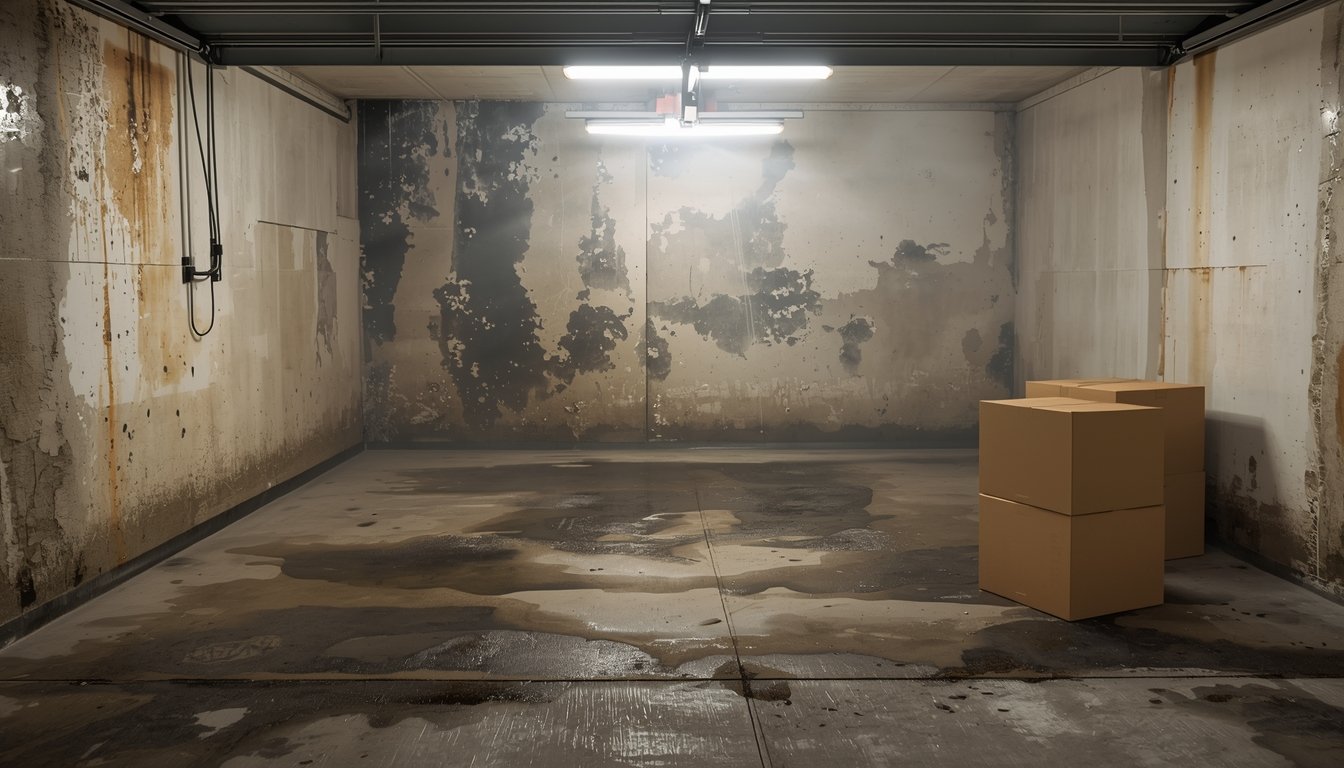
Yes, a dehumidifier can help prevent mold in a garage by reducing humidity levels to a point where mold cannot easily grow. In most homes, mold starts when moisture lingers in the air or on surfaces for long enough that spores have a chance to settle and spread. A garage is often one of the easiest places for that to happen because it is usually less insulated, less ventilated, and more exposed to outdoor conditions than the rest of the house.
Many people find they do not think much about garage humidity until they notice a musty smell, dark marks on walls, or rust on tools. By that point, the environment has usually been damp for a while. A common issue is assuming mold only appears after a leak or obvious water entry. This typically happens when the air stays humid for long periods, even without visible puddles or dripping water. Damp air alone can be enough to create the right conditions for mold.
A dehumidifier does not remove mold that is already growing, but it can make the garage much less friendly to mold in the first place. That is why it is usually best thought of as a prevention tool and part of a broader moisture-control approach. If your garage has a history of damp smells, condensation, or mold spots returning, then controlling humidity is one of the most practical steps you can take. For a broader overview, start with what a garage dehumidifier is and do you really need one.
Why Mold Starts Growing in a Garage
- Humidity stays high for long periods
- Airflow is poor and moisture becomes trapped
- Condensation forms on cool surfaces and stored items
In most homes, garages are exposed to repeated humidity changes that the main living areas do not experience. Warm outdoor air can enter when the garage door opens, and if that air is carrying moisture, it can settle inside. This typically happens when the garage cools down faster than the air inside it, causing moisture to gather on concrete floors, metal doors, tools, shelving, or boxes stored against walls.
A common issue is hidden dampness. Many people find that the centre of the garage seems fine, but corners, walls, and areas behind storage stay damp much longer. Mold does not need a whole room to be wet. It just needs small zones where moisture remains long enough for spores to grow. That is why garages with clutter, poor airflow, and limited ventilation often develop mold in patches rather than across every surface.
Another reason mold becomes a garage problem is that many garages contain materials that hold moisture. Cardboard boxes, fabrics, timber shelves, old rugs, and paper-based storage can all absorb damp air. Once that happens, those materials can stay slightly damp even after the air around them seems to improve. Over time, this gives mold another place to establish itself.
Many people find mold prevention becomes much easier once they stop thinking only about visible water and start thinking about moisture in the air. That shift matters, because the air itself is often the real problem. If humidity stays elevated long enough, the garage does not need a leak to develop mold.
How a Dehumidifier Helps Prevent Mold
- It removes moisture from the air before it settles on surfaces
- It helps keep the garage in a safer humidity range
- It reduces the damp conditions mold needs to keep spreading
In most homes, the main benefit of a dehumidifier is that it changes the environment gradually but consistently. Instead of waiting for walls, boxes, or tools to feel damp, it starts working on the airborne moisture before it turns into a bigger problem. This typically happens over time rather than all at once. The garage begins to smell fresher, surfaces stay drier, and the cycle of dampness becomes less noticeable.
A common issue is expecting the dehumidifier to create an immediate dramatic change after mold has already appeared. What it does best is lower the background humidity so conditions become less favourable for growth. Many people find that once humidity is kept under control, new mold spots stop appearing and cleaned areas are less likely to become a problem again.
This is especially important in garages that are used for storage. Stored items often sit untouched for long periods, which means dampness can go unnoticed. By the time something smells musty or shows mold, the issue has usually been building quietly for a while. A dehumidifier helps by keeping the overall environment drier, which protects both the structure of the garage and the things kept inside it.
If the unit has a humidity setting, that makes prevention easier. In most homes, keeping garage humidity below around 60 percent is a useful target, and many people aim for roughly 50 to 60 percent. That is usually low enough to reduce mold risk without making the system work harder than necessary.
When a Dehumidifier Is Not Enough on Its Own
A dehumidifier is a strong mold-prevention tool, but it is not a complete fix if the underlying moisture problem is still active. If water is entering through cracks, leaking under the door, coming from poor drainage outside, or being brought in regularly on wet vehicles and equipment, the unit may end up working against a constant moisture source.
A common issue is trying to use a dehumidifier as a substitute for basic cleanup and moisture management. If mold is already present, it still needs to be removed properly. If damp cardboard, wet fabric, or water-damaged storage is left in place, those materials can continue to hold moisture and support mold growth even if the air is improving.
Many people find the best results come when the dehumidifier is combined with simple practical steps. That may mean improving airflow, reducing clutter against walls, keeping stored items off the floor, checking for water entry points, and avoiding the long-term storage of damp materials. The dehumidifier then becomes much more effective because it is not working alone.
This typically happens in the most successful setups: the humidity is reduced, the obvious moisture source is addressed, and the garage becomes easier to keep consistently dry. That combination is what really breaks the mold cycle.
Signs the Garage Is Still at Risk
Even with a dehumidifier running, there are signs that tell you conditions may still be too damp. A persistent musty smell is one of the clearest. Dark spotting on walls, repeated condensation, rust returning on tools, or boxes feeling soft are all signs that moisture is still hanging around.
In most homes, these warning signs show up before mold becomes a major visual problem again. A common issue is assuming that because a machine is running, the garage must be protected. In reality, the important thing is whether the humidity is actually being brought down enough and whether damp areas are drying out.
Many people find it helpful to use a hygrometer so they are not guessing. If the garage stays above the safe range for long stretches, then mold prevention will be harder no matter how good the intentions are. Measuring conditions makes it much easier to know whether the unit is doing enough.
Practical Ways to Improve Results
If your goal is to prevent mold, the dehumidifier should be part of a routine rather than something switched on only after the garage feels damp. In most homes, regular use works better than occasional use because it stops humidity from building back up between cycles.
It also helps to keep air moving as much as possible. That does not necessarily mean leaving the door open, especially in humid weather. It means avoiding dead corners, keeping some space around stored items, and making sure the dehumidifier is not tucked behind boxes where airflow is restricted.
Many people find that once they reduce clutter, clean existing mold properly, and keep humidity under control, the garage becomes much easier to manage. The space feels drier, smells cleaner, and stays in better condition over time.
Conclusion
Yes, a dehumidifier can help prevent mold in a garage, because mold needs moisture and a dehumidifier removes that moisture from the air. In most homes, that makes it one of the most practical tools for stopping damp conditions from turning into a recurring mold problem.
The best results come when it is used as part of a broader approach: clean up any existing mold, reduce moisture sources, improve airflow, and keep humidity in a safer range. When those things work together, a garage becomes much less likely to support mold growth and much easier to keep dry over the long term.