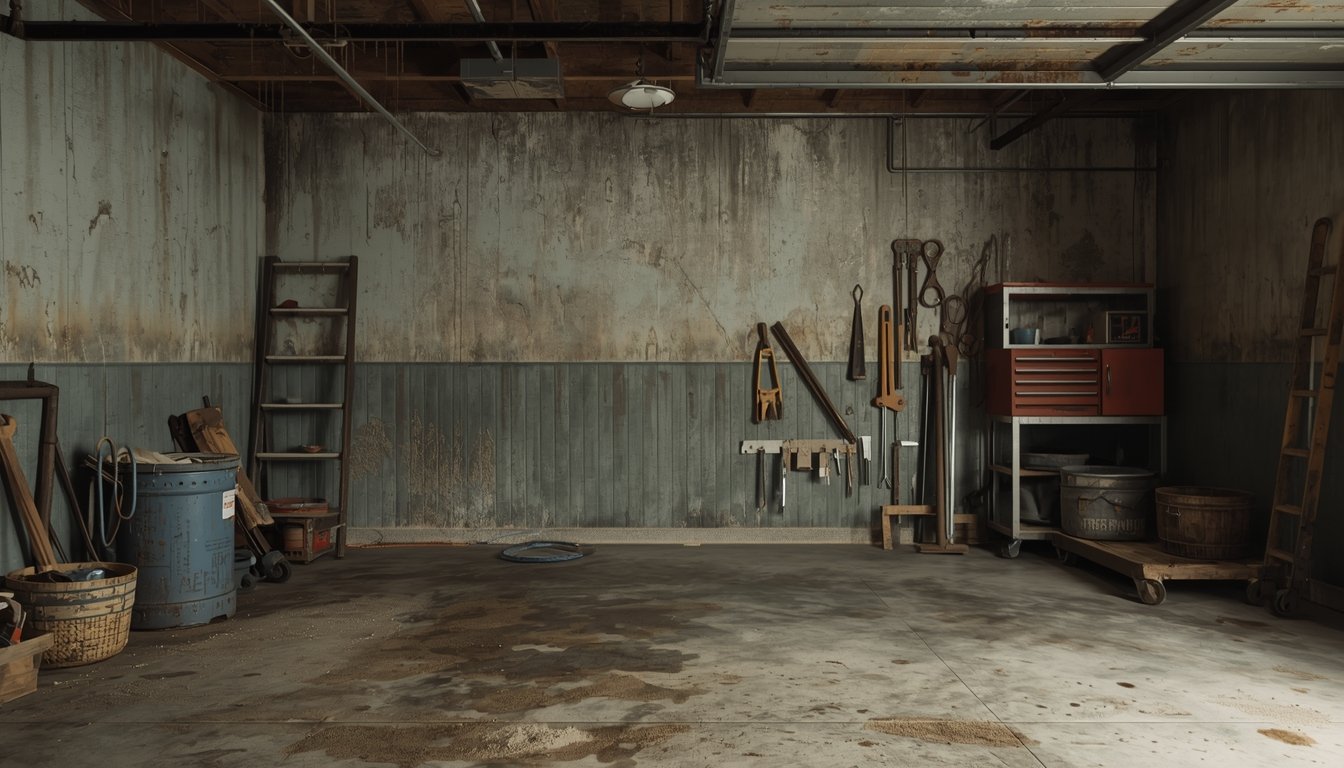
Humidity damages tools, storage items, and vehicles by causing rust, material breakdown, and long-term deterioration, even when there is no visible water present.
In most homes, this damage happens slowly and often goes unnoticed at first. Many people assume their garage is “dry enough,” but moisture in the air can still affect materials over time, especially when humidity levels remain elevated for long periods.
Garages are particularly vulnerable because they are exposed to outside air, temperature changes, and everyday use. This combination creates an environment where moisture can build up and repeatedly interact with surfaces, leading to gradual wear and damage.
To understand why this happens, it helps to start with what a garage dehumidifier is and do you really need one, as it explains how controlling moisture can prevent many of these issues.
How Humidity Affects Different Materials
- Metal surfaces develop rust and corrosion
- Wood absorbs moisture and can warp or crack
- Fabrics can become damp and develop odors
- Cardboard weakens and loses structural integrity
- Electronics can suffer internal moisture damage
In most homes, metal items are usually the first to show signs of damage. Tools, screws, and equipment can begin to rust when exposed to humid air over time. This process does not require direct contact with water—just consistent exposure to moisture in the air is enough.
Wood is also highly sensitive to humidity. It can absorb moisture and expand, which may lead to warping, cracking, or weakening. This is particularly noticeable in shelving, storage units, or any wooden items kept in the garage.
Fabrics and soft materials can trap moisture and develop musty smells. Once this happens, the odor can be difficult to remove, especially if the items are stored in enclosed spaces.
Cardboard boxes are commonly used for storage, but they are especially vulnerable to humidity. Over time, they can soften, collapse, or even grow mold if moisture levels remain high.
Electronics are often overlooked, but they can also be affected by humid conditions. Even without direct exposure to water, internal components can degrade when exposed to moisture in the air over extended periods.
Why Rust Is One of the Biggest Problems
Rust is one of the most common and damaging effects of humidity in a garage. It forms when metal reacts with oxygen in the presence of moisture, creating corrosion that gradually weakens the material.
In most homes, this starts as small spots on tools or metal surfaces. Over time, these spots can spread and become more severe, eventually making tools difficult or unsafe to use.
Many people find that rust appears faster than expected, especially in garages with poor airflow or high humidity. Once it begins, it can be difficult to fully remove, and prevention becomes the more practical approach.
Keeping humidity levels under control is one of the most effective ways to prevent rust from forming in the first place.
How Stored Items Gradually Deteriorate
- Boxes losing strength and collapsing under weight
- Paper items becoming warped or damaged
- Clothing developing mildew or odors
- Plastic containers trapping moisture inside
- Mixed materials breaking down over time
A common issue is that stored items are often left untouched for long periods. This allows moisture to affect them without being noticed until the damage is already done.
Paper and cardboard are particularly vulnerable. They can absorb moisture from the air, leading to warping, discoloration, or mold growth. This is especially problematic for documents, books, or sentimental items.
Clothing and fabrics can also be affected. When exposed to humidity, they may develop mildew or persistent odors that are difficult to remove. In many cases, items stored in sealed containers can still be affected if moisture becomes trapped inside.
Even plastic containers, which are often used to protect items, can contribute to the problem if they trap humid air. This creates a micro-environment where moisture remains enclosed and continues to affect the contents.
The Impact on Vehicles and Equipment
Vehicles stored in garages are not immune to humidity. Over time, moisture in the air can affect both the exterior and internal components of a vehicle.
Metal parts can develop corrosion, particularly in areas that are not regularly exposed or cleaned. In some cases, electrical systems may also be affected by prolonged exposure to moisture.
Many people find that garages used for both storage and vehicle parking tend to have higher humidity levels. A wet car brought in after rain can release moisture into the air as it dries, contributing to the overall problem.
Equipment such as lawn tools, power tools, and machinery can also be affected. Moving parts may become stiff or corroded, reducing their effectiveness and lifespan.
Why This Damage Often Goes Unnoticed
One of the biggest challenges with humidity-related damage is that it happens gradually. In most homes, there is no single event that signals a problem. Instead, materials slowly deteriorate over time.
A tool might develop a small rust spot, or a box may feel slightly softer than usual. These changes can be easy to ignore, especially if they do not immediately affect usability.
However, over time, these small issues add up. By the time the damage becomes obvious, it may already be significant and more difficult to fix.
How Controlling Humidity Prevents Damage
Managing humidity levels is the most effective way to prevent damage to tools, storage items, and vehicles. By reducing the amount of moisture in the air, you limit the conditions that cause rust, mold, and material breakdown.
In most homes, maintaining a stable humidity level helps preserve the condition of stored items and reduces the need for repairs or replacements. It also makes the garage a more reliable and usable space.
Many people find that once humidity is under control, the difference is noticeable. Tools remain in better condition, stored items last longer, and the overall environment feels cleaner and more stable.
Conclusion
Humidity can quietly damage a wide range of materials in your garage, even when there is no visible water present. From rusted tools to weakened storage materials and affected vehicles, the impact can be significant over time.
Understanding how moisture affects different items is the first step toward preventing damage. By managing humidity levels effectively, you can protect both the contents of your garage and the space itself, ensuring it remains functional and reliable in the long term.