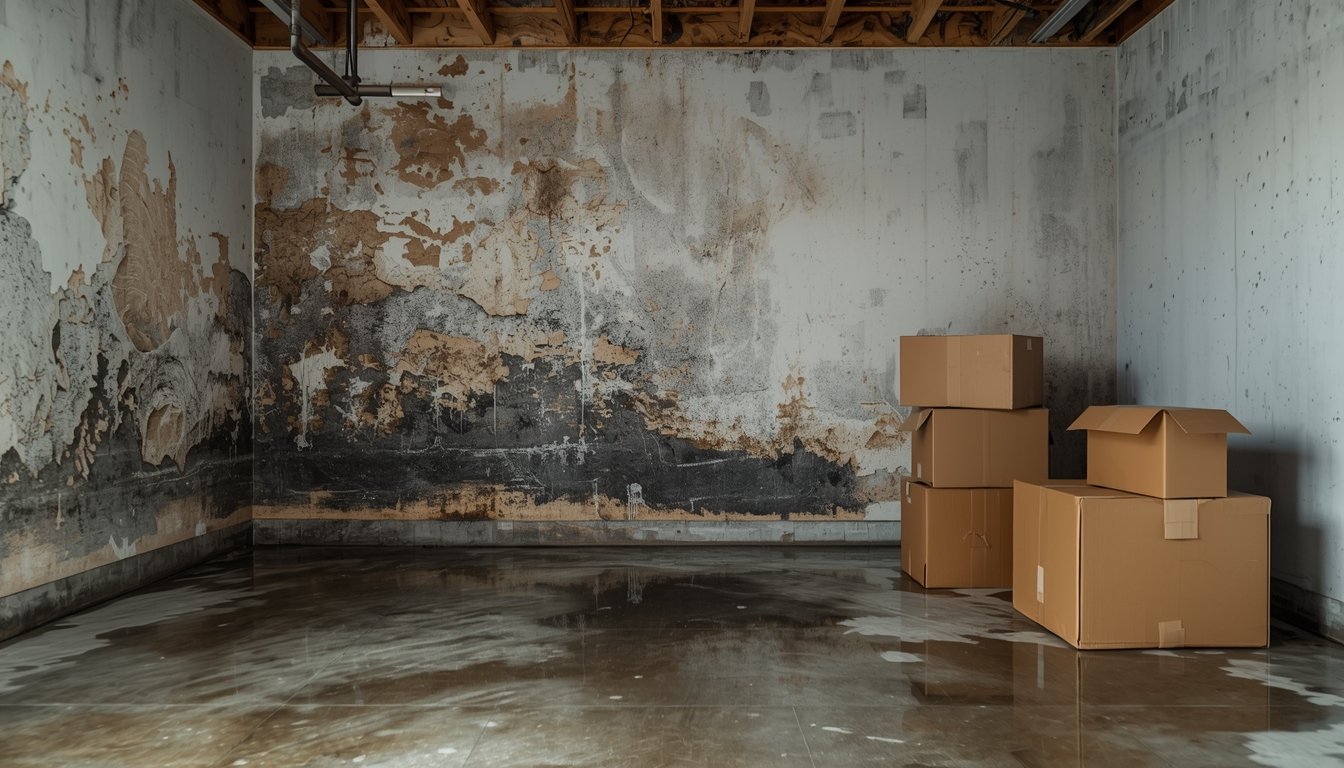
Yes, a dehumidifier can significantly reduce or stop condensation in a garage by lowering the amount of moisture in the air.
In most homes, condensation occurs when warm, moisture-filled air comes into contact with cooler surfaces such as concrete floors, metal tools, or garage walls. As the air cools, it releases moisture in the form of water droplets.
Many people notice condensation during temperature changes, especially overnight or in colder weather. While wiping surfaces can provide temporary relief, the underlying issue is excess humidity.
To understand how this fits into the bigger picture, it helps to start with what a garage dehumidifier is and do you really need one, as this explains how moisture in the air leads to condensation.
Why Condensation Happens in Garages
- Warm air meets cooler surfaces
- Moisture condenses into water droplets
- Temperature changes increase the effect
In most homes, garages are more prone to condensation because they are less insulated and more exposed to outside temperature changes.
A common issue is condensation forming overnight when temperatures drop. Even if the garage feels dry during the day, moisture can still build up when conditions change.
Many people find that condensation is one of the first visible signs that humidity levels are too high.
How a Dehumidifier Helps Reduce Condensation
- Removes excess moisture from the air
- Lowers humidity to safer levels
- Reduces the amount of water available to condense
In most homes, a dehumidifier works by removing moisture before it has a chance to settle on surfaces. This directly reduces the conditions that cause condensation.
A common advantage is that it prevents the problem rather than reacting to it. Instead of dealing with water after it forms, the dehumidifier helps stop it from forming in the first place.
Many people find that once humidity is controlled, condensation becomes much less frequent or disappears entirely.
When a Dehumidifier May Not Fully Stop Condensation
There are situations where condensation may still occur, even with a dehumidifier. In most homes, this happens when temperature differences are extreme or moisture is entering the garage faster than it can be removed.
A common issue is opening the garage door frequently in humid conditions. This allows warm, moist air to enter, which can quickly lead to condensation when temperatures drop.
Another factor is poor insulation. Cold surfaces encourage condensation even when humidity levels are lower. Many people find that combining humidity control with better insulation and reduced air exchange provides better results.
Signs Condensation Is Under Control
Surfaces staying dry during temperature changes, a lack of visible water droplets on tools or walls, and a reduction in damp smells are all signs that humidity is now in a safer range.
In most homes, this improvement is gradual rather than instant. While some change can happen quickly, it often takes consistent operation for the garage to fully stabilise.
Many people find that once the pattern of overnight dampness stops, the whole garage becomes easier to manage and maintain.
Additional Ways to Reduce Condensation
A dehumidifier works best when combined with simple practical changes. Keeping the garage door closed when possible, improving airflow, and reducing obvious moisture sources all help the unit perform more effectively.
A common mistake is relying only on the machine while continuing to introduce moisture through wet cars, damp equipment, or frequent exposure to humid outside air.
Many people find that small adjustments alongside dehumidifier use provide the best results.
Conclusion
A dehumidifier can effectively reduce or stop condensation in a garage by lowering humidity levels and removing excess moisture from the air.
While it may not eliminate condensation in every situation, it remains one of the most effective tools for controlling moisture. With consistent use and a few practical adjustments, you can create a drier, more stable garage environment.