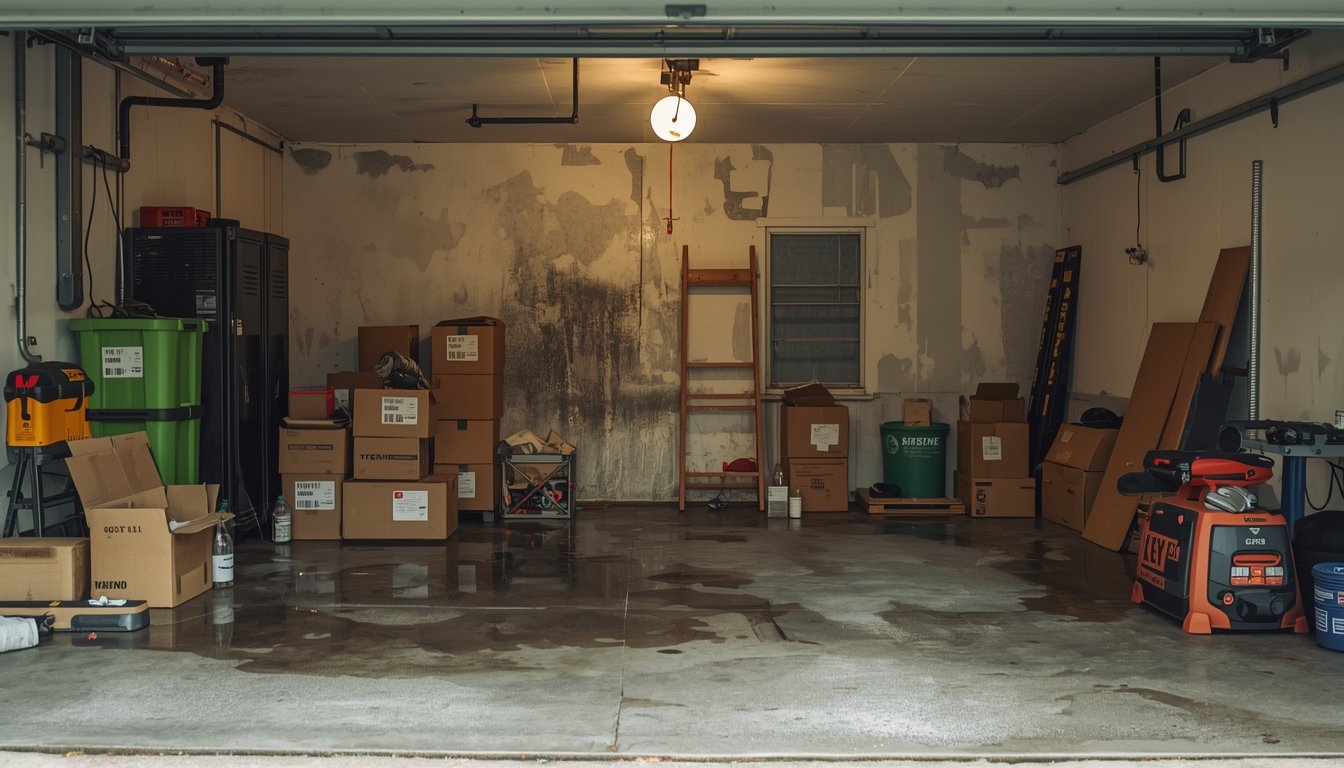
You can tell your garage needs a dehumidifier if there are consistent signs of excess moisture, such as condensation, musty smells, damp surfaces, or gradual damage to tools and stored items.
In most homes, garages are not climate-controlled like indoor living spaces. They are exposed to outside air, temperature changes, and everyday use, all of which can introduce moisture into the environment. Over time, this moisture can build up without being immediately obvious.
A common issue is that many people only notice a problem once there is visible damage, such as rust or mold. However, there are usually early warning signs that appear well before that stage. Recognising those signs early makes it much easier to control the environment before more serious issues develop.
This typically happens when humidity levels remain elevated for long periods. Even if the garage does not feel wet, the air can still hold enough moisture to affect surfaces, materials, and overall conditions. A dehumidifier becomes useful when that background moisture is consistently present.
To understand how this fits into the bigger picture, it helps to start with what a garage dehumidifier is and do you really need one, as this explains how moisture affects garage environments over time.
Common Signs of Excess Moisture
- Condensation on walls, floors, or tools
- Musty or damp smell in the garage
- Visible damp patches or water marks
In most homes, these are the clearest indicators that humidity levels are too high. Condensation is often the first visible sign, especially on metal surfaces or colder areas like concrete floors.
A common issue is seeing these signs occasionally and assuming they are not important. Many people find that even intermittent condensation or dampness can lead to long-term problems if it continues over time.
Musty smells are another strong indicator. Even if nothing looks visibly wet, a persistent damp odor often means moisture is present in the air or trapped in materials.
Less Obvious Warning Signs
- Rust forming on tools or metal items
- Stored items feeling slightly damp
- Air feeling heavy or uncomfortable
In most homes, moisture problems do not always appear in obvious ways. Rust is a common example. Many people find their tools start to show small signs of corrosion even when there is no visible water present.
Stored items can also give subtle clues. Cardboard boxes may soften, fabrics may feel slightly damp, and paper items may begin to curl or degrade. These changes often happen slowly, which makes them easy to overlook at first.
Another sign is how the air feels. A garage with high humidity often feels heavier or less comfortable, even if the temperature is not particularly high.
Why Moisture Builds Up in Garages
Garages naturally collect moisture because of how they are used and how they are built. In most homes, they are exposed to outside air through doors, gaps, and ventilation points. This allows humidity to enter easily.
A common issue is everyday use. Wet cars, damp tools, and outdoor equipment can all bring moisture into the space. Even something as simple as opening the garage door on a humid day can introduce a large amount of moisture.
Temperature changes also play a role. When warm, humid air enters the garage and then cools, it can release moisture into the environment. This contributes to ongoing damp conditions, especially in cooler months.
Poor airflow can make the problem worse. If air does not circulate properly, moisture can become trapped and remain in the garage longer than expected. Many people find that once moisture starts to build up, it becomes a repeating cycle unless it is actively controlled.
When a Dehumidifier Makes the Biggest Difference
In most homes, a dehumidifier becomes most useful when moisture is a consistent issue rather than a rare one. If condensation, damp smells, or signs of moisture keep returning, it usually means the environment needs active control.
A common situation is using the garage for storage. Tools, electronics, paperwork, and other items can all be affected by humidity over time. Even small amounts of moisture can cause gradual damage if exposure continues.
Many people find that once they install a dehumidifier, the overall condition of the garage improves. Surfaces stay drier, smells reduce, and stored items are better protected.
Another key point is when ventilation is not enough. Opening doors or relying on natural airflow may help temporarily, but it often does not remove enough moisture to solve the problem. A dehumidifier provides a more consistent and controlled solution.
How to Confirm If You Need One
Using a hygrometer to measure humidity, watching how conditions change over time, and checking whether moisture signs keep returning are the most reliable ways to confirm the need for a dehumidifier.
In most homes, measuring humidity gives a much clearer answer than guesswork. Many people find that once they start tracking humidity, patterns become obvious and the decision becomes much easier.
Conclusion
If your garage shows signs of excess moisture, whether obvious or subtle, it is likely that a dehumidifier would be beneficial. From condensation and damp smells to rust and material damage, these signs all point to elevated humidity levels.
In most homes, addressing the issue early is the best approach. By recognising the warning signs and taking action, you can prevent long-term damage and maintain a more stable environment.
A dehumidifier provides a simple and effective way to control moisture and protect your garage, making it a worthwhile solution whenever humidity becomes a consistent concern.