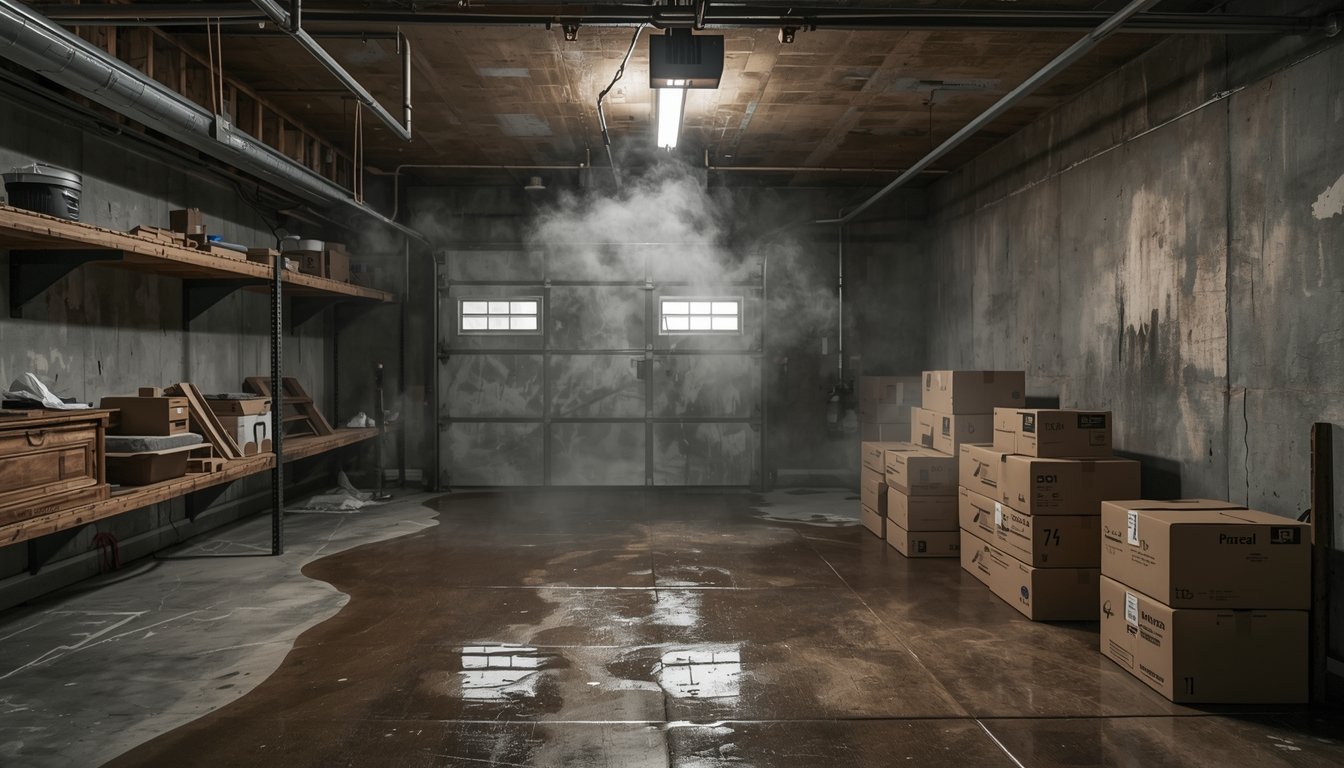
Yes, a garage can become too dry if a dehumidifier is used too aggressively or set lower than necessary. In most homes, excess humidity is the bigger problem, but removing too much moisture can still create issues over time, particularly for certain materials and stored items.
A common issue is assuming that the goal is to make the garage as dry as possible. Many people find that once they solve dampness, they leave the dehumidifier running continuously without adjusting the settings. This typically happens when the focus is only on preventing mold or condensation, rather than maintaining a balanced environment.
The key is understanding that a garage does not need to be completely dry. It needs to be stable. If you want a full understanding of how moisture behaves in garage environments, it helps to start with what a garage dehumidifier is and do you really need one, which explains how humidity control works in practical terms.
What Happens When a Garage Becomes Too Dry
- Wood can shrink, crack, or change shape over time
- Rubber and plastic materials may lose flexibility
- Paper and cardboard can become brittle and fragile
In most homes, the effects of low humidity are slower and less obvious than problems caused by high humidity. That is why they are often overlooked. Many people find that materials do not show immediate damage, but gradually begin to change when exposed to very dry air for extended periods.
A common issue is wood reacting to low moisture levels. Timber shelving, stored furniture, or wooden tool handles can begin to shrink or develop small cracks. This typically happens because wood naturally expands and contracts based on the amount of moisture in the air.
Rubber seals, hoses, and certain plastics can also be affected. Over time, they may become less flexible and more prone to cracking. Paper-based materials, such as cardboard boxes and documents, can dry out and become weaker, especially if stored long term.
Why Over-Drying Usually Happens
In most homes, a garage does not become too dry by accident overnight. It usually happens because of how the dehumidifier is being used. A common issue is running the unit continuously without a set humidity target. Many people assume the machine will regulate itself, but without proper settings, it can keep removing moisture even when it is no longer needed.
Another factor is unit size. A dehumidifier that is too powerful for the garage can reduce humidity quickly and continue lowering it beyond the ideal range. This typically happens when the unit is selected based on maximum capacity rather than the actual needs of the space.
Seasonal conditions also play a role. During cooler or naturally drier periods, the air entering the garage may already have low humidity. If the dehumidifier continues running at the same level as during humid conditions, the environment can become too dry without much warning.
Signs Your Garage May Be Too Dry
- Humidity readings consistently fall below about 40%
- Stored materials show signs of drying or cracking
- The air feels unusually dry compared to normal conditions
In most homes, the easiest way to confirm whether a garage is too dry is by using a hygrometer. Without measuring humidity, it is difficult to know whether conditions are within a safe range. Many people find that once they start tracking humidity, they gain a much clearer understanding of how the environment changes over time.
A common issue is relying on how the space feels rather than using actual data. While very dry air can sometimes feel different, it is not always obvious in a garage setting. This typically leads to assumptions that may not reflect the real conditions.
Subtle changes in stored items can also provide clues. Wood may feel tighter or lighter, rubber components may lose flexibility, and cardboard may become more rigid than expected. These signs tend to appear gradually, which is why they are often missed at first.
Why Balance Is More Important Than Maximum Dryness
In most homes, the goal is not to eliminate all moisture but to keep humidity within a stable and practical range. A common mistake is treating moisture control as a process of constant removal rather than management. Many people find that once they focus on maintaining balance, the garage becomes easier to manage and more predictable over time.
This typically happens because stable humidity reduces stress on materials. Instead of expanding and contracting due to large swings in moisture levels, materials remain in a more consistent state. This helps preserve both the structure of the garage and the items stored inside it.
Another advantage of balanced humidity is efficiency. A dehumidifier that is set correctly will cycle on and off as needed, rather than running continuously. This not only prevents over-drying but also reduces energy use and wear on the unit.
How to Prevent a Garage from Becoming Too Dry
Preventing over-drying is usually straightforward once you understand how your dehumidifier works. In most homes, the most effective approach is to set a target humidity level rather than running the unit continuously.
A common issue is leaving the dehumidifier on its lowest setting or in continuous mode. Many people find that this removes more moisture than necessary, especially during periods when humidity is already low. Adjusting the settings based on current conditions helps maintain a more balanced environment.
It also helps to check humidity levels regularly. This does not need to be done constantly, but occasional checks can prevent the environment from drifting too far in either direction. Many people find that once they establish a routine, maintaining the correct range becomes much easier.
When Low Humidity Is Not a Major Concern
In most homes, over-drying is less common than excess humidity. If the garage has a history of condensation, rust, or mold, controlling high humidity is usually the priority. A common issue is worrying too much about low humidity before the main moisture problems have been resolved.
Many people find that once humidity is brought into a normal range, the environment stabilises and the risk of over-drying becomes much smaller. This typically happens because the dehumidifier is no longer working against a constant source of moisture.
As long as humidity is monitored and kept within a reasonable range, low humidity is unlikely to cause significant issues for most garages.
Conclusion
A garage can be too dry with a dehumidifier, but this usually happens only when the unit is set too low or runs longer than necessary. In most homes, the better goal is not maximum dryness but a stable humidity range that protects both the garage and the items stored inside it.
By monitoring humidity levels, adjusting settings based on conditions, and aiming for balance rather than extremes, you can avoid both moisture-related problems and the effects of overly dry air.