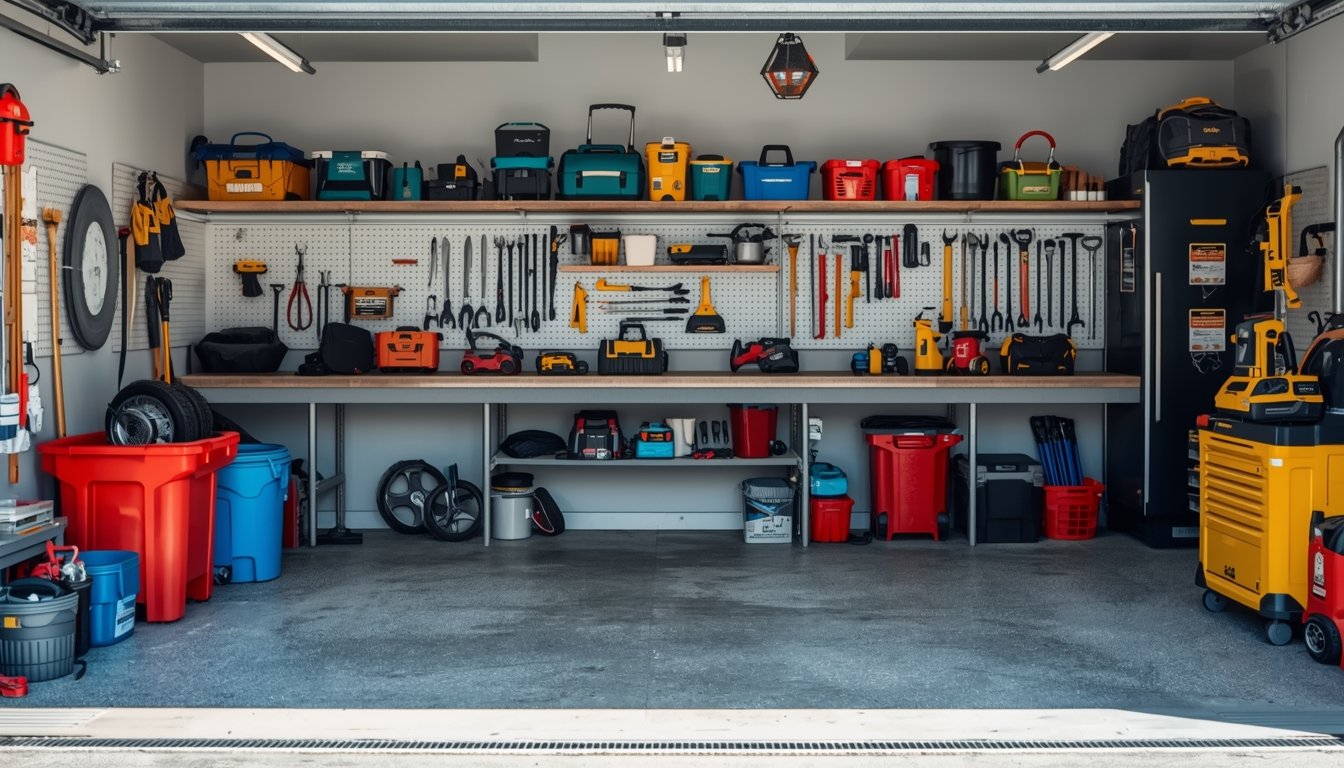
The size of dehumidifier you need for a garage depends on the size of the space, how damp it is, and how much moisture regularly enters the area. In most homes, choosing the right size is important because an undersized unit will struggle to control humidity, while an oversized unit may run inefficiently or dry the space more than necessary.
A common issue is assuming that any dehumidifier will do the job. Many people find that smaller units work fine in indoor rooms but struggle in garages, especially if the space is larger or exposed to outside air. This typically happens because garages often have more moisture entering the space and less insulation to help stabilise conditions.
Selecting the correct size ensures that the unit can handle the workload without constantly running or falling behind. If you want to understand how dehumidifiers manage moisture in garage environments, it helps to start with what a garage dehumidifier is and do you really need one, which explains how capacity relates to moisture removal.
Key Factors That Determine the Right Size
- The total square footage of the garage
- The level of humidity or dampness present
- How much outside moisture enters the space
In most homes, garage size is the starting point when choosing a dehumidifier. A single-car garage typically requires less capacity than a double or oversized garage. However, size alone is not enough to determine the right unit.
A common issue is ignoring how damp the space actually is. Many people find that two garages of the same size can require different dehumidifier capacities depending on moisture levels. A garage with visible condensation or musty smells will need a more powerful unit than one that is only slightly humid.
Moisture sources also play a role. Garages that regularly receive humid air, store wet items, or have poor airflow often need larger units. This typically happens because the dehumidifier must continuously remove new moisture rather than simply maintaining stable conditions.
Understanding Dehumidifier Capacity
Dehumidifier size is usually measured by how much moisture the unit can remove in a 24-hour period. In most homes, this is expressed in litres or pints per day. A higher capacity means the unit can handle more moisture and larger spaces.
A common issue is choosing a unit based only on price or physical size rather than capacity. Many people find that a smaller, cheaper unit may not keep up with the demands of a garage, especially in humid conditions. This typically results in longer run times and less effective moisture control.
Larger units, on the other hand, can remove moisture more quickly and maintain stable humidity levels more easily. However, they should still be used with proper settings to avoid unnecessary energy use or over-drying.
General Size Guidelines for Garage Dehumidifiers
- Small garages (single-car): lower capacity units may be sufficient
- Medium garages (double-car): mid-range capacity units are usually required
- Large or very damp garages: higher capacity units provide better control
In most homes, these general guidelines provide a useful starting point. A single-car garage with mild humidity may only need a smaller unit, while a larger garage or one with ongoing moisture problems will benefit from a higher-capacity model.
A common issue is underestimating the impact of dampness. Many people find that even a smaller garage can require a larger unit if humidity levels are consistently high. This typically happens in areas with humid climates or where moisture enters the garage frequently.
It is often better to choose a slightly larger unit than one that is too small. A larger dehumidifier can cycle on and off as needed, while an undersized unit may need to run continuously without achieving the desired results.
How Garage Conditions Affect Sizing
In most homes, garages are not sealed environments. They are exposed to outside air through doors, gaps, and ventilation. This means that humidity levels can change quickly, and the dehumidifier must be able to respond effectively.
A common issue is choosing a unit based on indoor room guidelines. Many people find that garages require more capacity because they are less controlled and more exposed to external conditions. This typically results in a higher moisture load than a similar-sized indoor space.
Uninsulated garages can also require larger units. Temperature fluctuations can lead to condensation, which increases the amount of moisture the dehumidifier needs to remove. This makes capacity even more important for maintaining stable conditions.
Why Oversizing Is Usually Better Than Undersizing
In most homes, choosing a slightly larger dehumidifier is often the safer option. A common issue with undersized units is that they run continuously without ever fully reducing humidity to the desired level.
Many people find that this leads to frustration, as the garage never feels fully dry despite the unit running for long periods. This typically happens because the dehumidifier does not have enough capacity to handle the moisture load.
A larger unit, by contrast, can remove moisture more efficiently and then cycle off once the target humidity is reached. This creates a more stable environment and can actually reduce overall run time.
Matching Size to Usage and Expectations
The right size also depends on how you use your garage. In most homes, a garage used mainly for storage may require less precise control than one used as a workshop or for sensitive equipment.
A common issue is not considering how important humidity control is for stored items. Many people find that tools, electronics, and paper materials benefit from more consistent conditions, which may require a higher-capacity unit.
This typically happens because certain items are more sensitive to moisture than others. Choosing the right size helps ensure that the environment remains stable enough to protect everything inside the garage.
How to Adjust If You Choose the Wrong Size
If the dehumidifier is too small, you will usually notice that humidity levels remain high even after long run times. In most homes, this is a sign that a higher-capacity unit is needed.
A common issue with oversized units is running them unnecessarily. Many people find that adjusting the humidity settings allows the unit to operate more efficiently without causing problems. This typically happens because the machine cycles on and off based on conditions rather than running continuously.
Monitoring humidity with a hygrometer can help you determine whether your current unit is appropriate. This makes it easier to adjust settings or upgrade if needed.
Conclusion
The size of dehumidifier you need for a garage depends on the size of the space, the level of humidity, and how much moisture enters the area. In most homes, choosing the right capacity is essential for effective moisture control.
By considering these factors and selecting a unit that can handle the workload, you can create a garage environment that stays dry, stable, and easier to manage. Many people find that once the correct size is in place, maintaining proper humidity becomes much more straightforward.