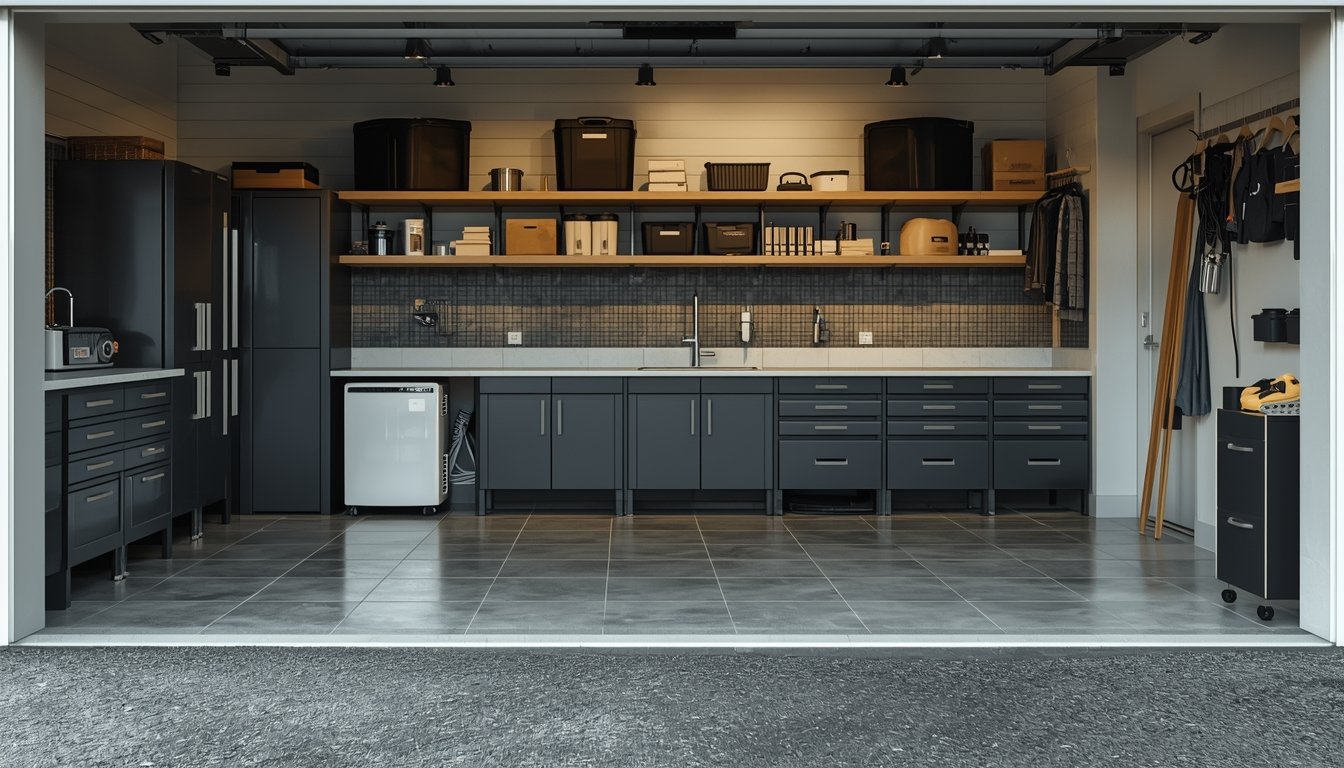
You need a drain hose or tank system depending on how much moisture your garage produces and how often you want to manage the dehumidifier manually.
In most homes, this decision affects how practical the dehumidifier is to use on a daily basis. Garages often produce more moisture than indoor spaces, which means the unit may collect water quickly, especially in humid conditions.
Many people start with a tank system and then realise it needs frequent emptying. Over time, this can become inconvenient and may even limit how effectively the dehumidifier can run.
To understand how this fits into overall moisture control, it helps to start with what a garage dehumidifier is and do you really need one, as this explains how moisture is collected and removed from the air.
How Tank Systems Work
- Collect water in a built-in container inside the unit
- Require manual emptying when the tank is full
- Usually include an auto shut-off feature
- Simple to set up with no additional installation
- Suitable for smaller or less humid spaces
In most homes, tank systems are the default setup for dehumidifiers. As the unit removes moisture from the air, the collected water is stored in a removable container.
A common issue is that garages often generate more moisture than expected. This means the tank can fill quickly, especially during periods of high humidity or when moisture is regularly introduced.
Many people find that emptying the tank becomes a routine task. If the tank fills up while the unit is running, the dehumidifier will usually shut off automatically, which stops moisture removal until it is emptied.
How Drain Hose Systems Work
- Continuously drain water through a hose
- Eliminate the need for manual emptying
- Allow the unit to run for longer periods
- Require a suitable drainage point
- Ideal for higher humidity environments
Drain hose systems provide a more hands-off solution. Instead of storing water in a tank, the dehumidifier directs it through a hose to a drain or suitable outlet.
In most homes, this allows the unit to operate continuously without interruption. This is particularly useful in garages where moisture levels are high or consistent.
A common advantage is convenience. Once the hose is set up correctly, there is no need to monitor or empty the unit regularly. This makes it easier to maintain stable humidity levels over time.
Many people find that switching to a drain hose system significantly improves how effective and easy the dehumidifier is to use.
Which Option Is Better for a Garage?
The best option depends on how your garage behaves and how much moisture is present. In most homes, garages with higher humidity benefit more from a continuous drainage setup.
Tank systems can work well in smaller or less humid garages, where the unit does not need to run constantly. They are also useful if a suitable drainage point is not available.
However, in garages where moisture is a consistent issue, a drain hose system is often the better choice. It allows the dehumidifier to run without interruption, which helps maintain stable humidity levels.
Many people find that once they move to continuous drainage, the dehumidifier becomes much more effective and easier to manage.
Practical Considerations Before Choosing
- Availability of a nearby drain or outlet
- Position of the dehumidifier in the garage
- Frequency of use and humidity levels
- Ease of setup and maintenance
- Long-term convenience
In most homes, the decision often comes down to practicality. If there is an easy way to route a hose to a drain, continuous drainage is usually the preferred option.
A common issue is placing the dehumidifier in a location where drainage is difficult. In these cases, a tank system may be the only practical solution unless adjustments are made.
Many people find that planning the placement of the unit in advance makes it easier to choose the right system.
What Happens If You Choose the Wrong Option
Choosing the wrong drainage setup can reduce how effective the dehumidifier is. In most homes, this usually shows up as inconvenience rather than a complete failure.
A tank system in a high-humidity garage may require frequent emptying, which can interrupt operation and reduce overall performance.
On the other hand, a poorly set up drain hose system can lead to leaks or improper drainage, which may create additional issues.
Many people find that taking the time to choose the right option from the beginning helps avoid these problems.
Conclusion
Both tank and drain hose systems can work effectively in a garage, but the right choice depends on your specific conditions and how you want to manage the unit.
For most garages with consistent moisture, a drain hose system provides greater convenience and better long-term performance. However, tank systems remain a simple and effective option for lighter use.
By choosing the right setup, you can ensure your dehumidifier operates efficiently and keeps your garage environment stable over time.