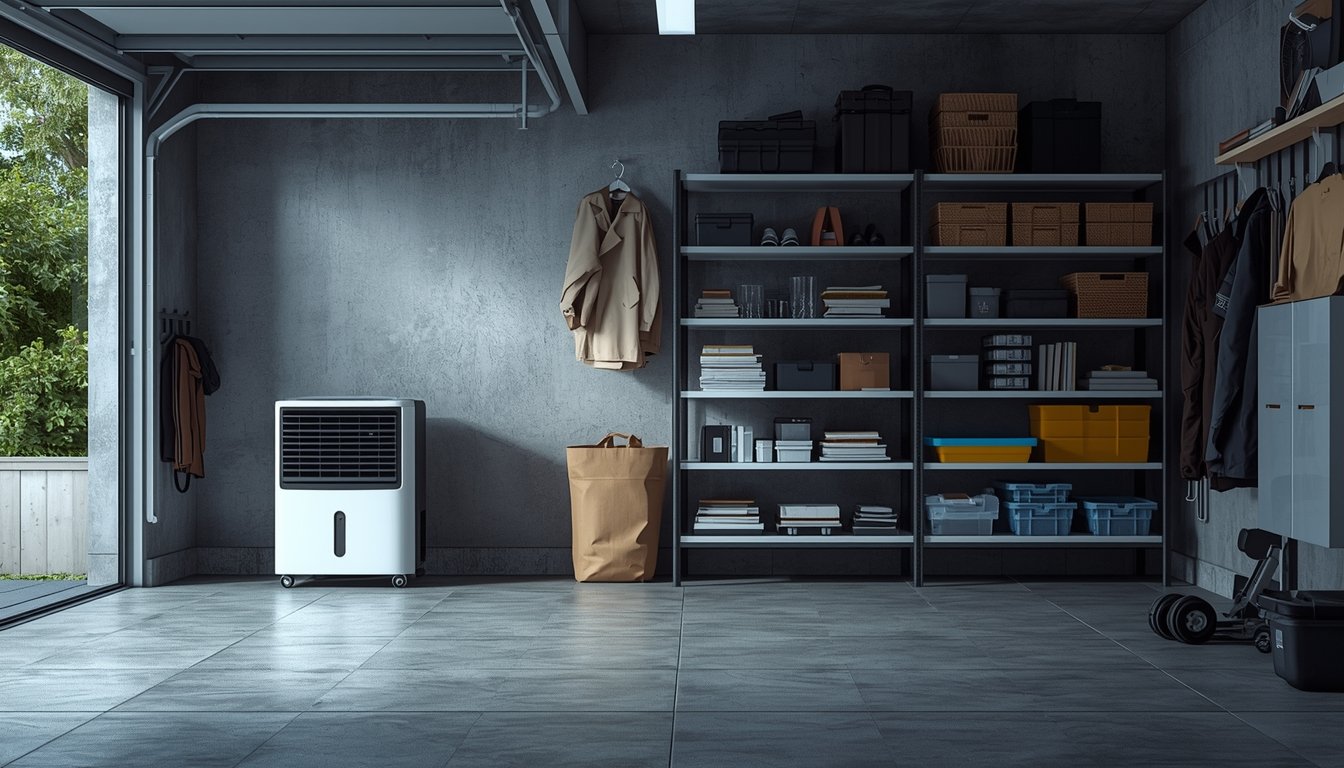
The best features to look for in a garage dehumidifier are capacity, drainage options, humidity control settings, and the ability to operate effectively in changing temperatures.
In most homes, choosing the right features makes a bigger difference than simply picking a well-known brand or model. Garages tend to be more demanding environments than indoor rooms, so having the right functionality helps ensure the unit performs consistently.
Many people focus only on size or price, but features determine how easy the dehumidifier is to use and how well it adapts to real-world conditions. Understanding which features matter most can help you choose a unit that works reliably over time.
To see how these features fit into the overall system, it helps to start with what a garage dehumidifier is and do you really need one, as this explains how these units operate and why certain functions are important.
Essential Features That Improve Performance
- Adjustable humidity settings for better control
- Continuous drainage option to avoid emptying the tank
- Auto shut-off to prevent overflow
- Suitable operating range for garage temperatures
- Sufficient capacity for the size and condition of the space
In most homes, adjustable humidity settings are one of the most useful features. They allow you to set a target humidity level, so the unit runs only when needed. This helps maintain a consistent environment without unnecessary energy use.
A common issue is relying on the water tank alone. While this works in smaller spaces, garages often produce more moisture, which means the tank can fill quickly. Continuous drainage solves this problem by allowing water to flow out automatically through a hose.
Auto shut-off is another important feature. It prevents the unit from overflowing if the tank becomes full, which protects both the dehumidifier and the surrounding area.
Temperature range is also critical. Garages can become much colder or hotter than indoor spaces, so choosing a unit designed to operate in these conditions ensures consistent performance.
Features That Make Everyday Use Easier
- Built-in humidistat for automatic operation
- Clear water level indicator
- Easy-to-access controls and display
- Portable design with wheels or handles
- Washable or replaceable air filters
In most homes, convenience plays a big role in how often a dehumidifier is used effectively. A built-in humidistat allows the unit to adjust automatically based on current humidity levels, reducing the need for manual adjustments.
Many people find that a clear water level indicator helps them keep track of when the tank needs attention. This is especially useful if the unit is not connected to a drainage hose.
Ease of use is another important factor. Simple controls and a clear display make it easier to adjust settings and monitor performance. Over time, this helps ensure the unit is used correctly.
Portability can also be useful in a garage setting. Units with wheels or handles can be moved to different areas as needed, especially if the garage layout changes or moisture is concentrated in certain spots.
Filters are often overlooked, but they play a role in maintaining air quality. Washable or replaceable filters help keep the unit running efficiently and prevent dust buildup.
Why Drainage Options Matter More Than Expected
One of the most practical features in a garage dehumidifier is the drainage system. In most homes, garages can produce a significant amount of moisture, especially in humid conditions or when moisture is regularly introduced.
A common issue is that relying solely on a water tank requires frequent emptying. This can become inconvenient, especially if the unit is running continuously.
Continuous drainage allows water to flow out through a hose, removing the need to empty the tank manually. This is particularly useful for garages where the dehumidifier needs to run for extended periods.
Many people find that once they switch to continuous drainage, the unit becomes much easier to manage and more effective overall.
How Smart Features Can Help (and When They Matter)
Modern dehumidifiers often include additional features such as timers, automatic restart, and even smart controls. In most homes, these features can add convenience but are not always essential.
Timers allow you to schedule when the unit runs, which can be useful if you want to operate it during specific times. Automatic restart is helpful in case of power outages, ensuring the unit resumes operation without manual input.
Smart features, such as app control or monitoring, can provide additional flexibility. However, many people find that basic functionality is sufficient for garage use, as long as the core features are reliable.
The key is to prioritise performance and practicality over extra features that may not be necessary.
What Happens If You Choose a Unit Without the Right Features
Choosing a dehumidifier without the right features can lead to frustration and reduced effectiveness. In most homes, this shows up as inconsistent humidity control, frequent maintenance, or difficulty using the unit.
A common issue is selecting a model without continuous drainage, which results in frequent tank emptying. This can limit how long the unit can run and reduce its overall effectiveness.
Lack of proper humidity control settings can also make it harder to maintain stable conditions. Without the ability to set a target level, the unit may run too often or not enough.
Many people find that investing in the right features from the beginning leads to a better experience and more reliable results over time.
Conclusion
Choosing the best features for a garage dehumidifier is about more than convenience—it directly affects how well the unit performs in a challenging environment.
By focusing on essential features such as capacity, drainage, humidity control, and temperature range, you can ensure the dehumidifier works effectively and consistently. Over time, this helps maintain a dry, stable garage that protects both the space and everything stored inside it.