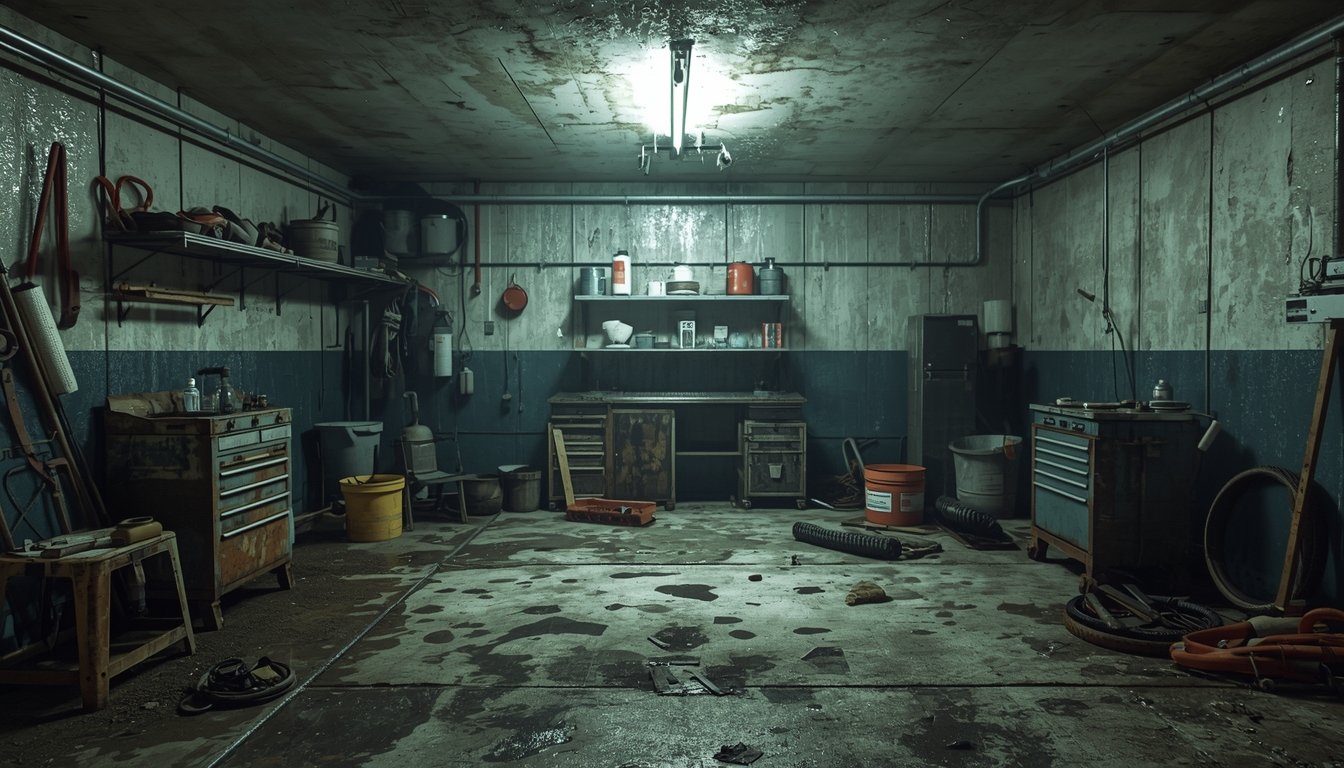
Condensation forms on garage walls and floors when warm, humid air comes into contact with cooler surfaces, causing moisture in the air to turn into water droplets.
In most homes, this happens regularly without being fully understood. Many people notice damp patches, water on the floor, or droplets on walls and assume there is a leak or water coming in from outside. While that can sometimes be the case, condensation is often the real cause.
Garages are especially prone to condensation because they experience frequent temperature changes and are not usually insulated like the rest of the home. This creates the ideal conditions for moisture in the air to settle on surfaces.
To better understand how to manage this, it helps to start with what a garage dehumidifier is and do you really need one, as controlling humidity is key to preventing condensation.
What Causes Condensation in a Garage
- Warm, humid air entering the garage
- Cooler surfaces such as concrete, metal, and walls
- Rapid temperature drops, especially overnight
- Poor insulation allowing temperature differences
- Limited airflow trapping humid air inside
In most homes, condensation is caused by the interaction between air temperature and surface temperature. When warm air holds moisture and then cools down, it can no longer retain the same amount of water. This causes the excess moisture to be released as droplets.
A common issue is that garages often contain a mix of materials that stay cooler than the surrounding air. Concrete floors, metal tools, and garage doors can all act as surfaces where condensation forms.
Many people find that this is more noticeable during certain times of the day, particularly early mornings or late evenings when temperatures change more rapidly.
Why Garage Floors Often Feel Damp
Concrete floors are one of the biggest contributors to condensation in a garage. Unlike many other materials, concrete can absorb moisture from the ground and release it back into the air over time.
In most homes, this creates a cycle where the floor remains slightly cooler and more moisture-prone than other surfaces. When humid air comes into contact with the floor, condensation can form, making it feel damp even when there is no direct water source.
This is why many people notice dampness on the floor even when it has not rained or when there are no visible leaks. The moisture is coming from the air, not from water entering the garage.
Over time, this repeated exposure to moisture can affect items stored on the floor, particularly cardboard boxes, tools, and equipment.
How Temperature Changes Make It Worse
- Warm days followed by cooler nights
- Sudden weather changes
- Seasonal temperature shifts
- Heat buildup during the day
- Cooling surfaces at night
In most homes, condensation is not constant but occurs in cycles. During the day, warm air enters the garage and holds moisture. As temperatures drop later in the day or overnight, that moisture is released.
A common issue is that this cycle repeats daily, especially in climates with noticeable temperature swings. Even if the garage appears dry during the day, condensation may be forming overnight without being seen.
Many people find that this pattern makes it difficult to identify the source of the problem. Because the moisture appears and disappears, it can be mistaken for occasional dampness rather than an ongoing issue.
Where Condensation Typically Appears
Condensation tends to form on surfaces that are cooler and less exposed to airflow. In most garages, this includes walls, floors, garage doors, and metal objects.
Metal surfaces are often the first place people notice condensation because they cool quickly and allow droplets to form easily. Garage doors, especially metal ones, are also common areas where moisture becomes visible.
Walls and corners can also be affected, particularly in areas with limited airflow. These spots may remain damp for longer periods, creating conditions where mold or mildew can develop.
Many people overlook condensation in hidden areas, such as behind storage items or along lower wall sections. These areas can hold moisture longer and contribute to ongoing humidity problems.
Why Condensation Should Not Be Ignored
Condensation may seem like a minor issue, but over time it can lead to more significant problems. Repeated exposure to moisture can cause rust, material deterioration, and mold growth.
In most homes, ignoring condensation allows humidity levels to remain high, which affects both the garage and its contents. What starts as occasional dampness can develop into persistent moisture problems.
A common issue is that condensation is often treated as a surface problem rather than a symptom of high humidity. Simply wiping down surfaces does not address the underlying cause.
Many people find that once humidity levels are reduced, condensation becomes far less frequent or disappears entirely.
How to Reduce Condensation in a Garage
- Improving airflow to reduce trapped moisture
- Reducing sources of humidity entering the space
- Keeping items off cold surfaces like concrete floors
- Sealing gaps where outside air enters
- Using a dehumidifier to control moisture levels
Reducing condensation starts with managing the humidity in the air. In most homes, improving airflow can help to some extent, but it is not always enough to fully control moisture levels.
A more effective approach is to actively remove moisture from the air. By lowering humidity levels, you reduce the conditions that allow condensation to form in the first place.
Many people find that once humidity is properly controlled, surfaces stay dry, and the garage becomes easier to maintain overall.
Conclusion
Condensation in a garage is a result of warm, humid air meeting cooler surfaces, causing moisture to form as water droplets. While it may seem like a simple issue, it is often a sign of underlying humidity problems.
Understanding why condensation forms and where it appears can help you take the right steps to prevent it. By managing humidity levels and reducing moisture in the air, you can create a drier, more stable garage environment that protects both the space and everything stored inside it.