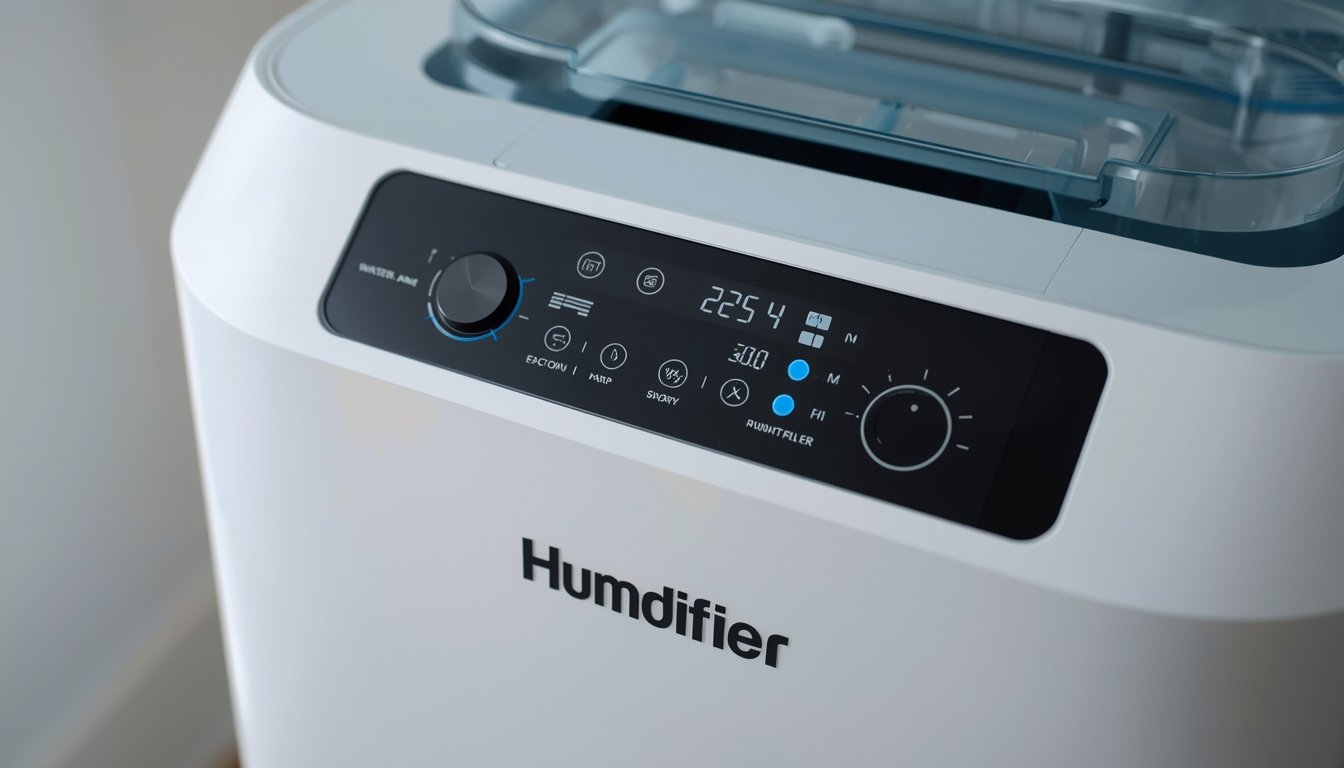
You can use a home dehumidifier in a garage, but whether it works well depends on the size of the garage, the humidity level, and the conditions the unit is designed to handle.
In most homes, a standard dehumidifier can help in a garage if the space is relatively small, temperatures stay within the unit’s operating range, and moisture levels are not extreme. The problem is that garages are often harsher environments than bedrooms, living rooms, or other indoor spaces, so a unit designed for indoor comfort may struggle to keep up.
Many people assume that if a dehumidifier works in the house, it will work just as well in the garage. In reality, garages usually have more outside air movement, wider temperature swings, and a higher chance of condensation. That means the unit may need to work harder and may not perform the way it would indoors.
To understand how this fits into the bigger picture, it helps to start with what a garage dehumidifier is and do you really need one, as this explains why garage conditions are often more demanding than standard indoor spaces.
When a Home Dehumidifier Can Work in a Garage
- The garage is small to medium in size
- Humidity is moderate rather than severe
- Temperatures stay within the unit’s rated range
In most homes, a regular home dehumidifier can do a reasonable job if the garage behaves more like an indoor room than a harsh utility space. For example, an attached garage in a mild climate may not experience the same level of temperature fluctuation or moisture buildup as a detached or uninsulated garage.
A common situation is using a home unit in a single garage where the main issue is mild dampness rather than heavy condensation or ongoing moisture intrusion. In that kind of setup, the dehumidifier may be able to maintain a stable humidity level without being under constant strain.
Many people find that a home unit works best when the garage is already somewhat controlled. If the space is relatively sealed, not too cold, and not constantly exposed to wet vehicles or damp storage, the dehumidifier has a much better chance of keeping up.
Why Garages Are Harder on Standard Units
Garages are tougher environments because they are usually less insulated, less airtight, and more exposed to changing weather conditions. In most homes, that means a garage can become hotter during the day, cooler at night, and more humid whenever outside air enters.
A common issue is that a standard home dehumidifier is designed for more stable indoor conditions. It may not be built to handle sudden temperature drops, persistent dampness, or large open spaces with frequent air exchange.
Many people notice that when they move an indoor unit into the garage, it runs longer than expected or collects less water than they thought it would. This often does not mean the machine is broken. It usually means the garage conditions are outside the environment where that unit performs best.
Another factor is airflow. Garages often have large doors, cluttered storage, and uneven air movement. These conditions can make it harder for a smaller home unit to circulate air effectively and remove moisture evenly throughout the space.
Signs a Home Dehumidifier Is Not Enough
- It runs constantly without lowering humidity much
- Condensation and damp smells keep returning
- Rust, mold, or moisture problems continue despite regular use
In most homes, the clearest sign that a home dehumidifier is undersized or unsuitable is that it never seems to catch up. The unit may be running regularly, but the garage still feels damp, tools still rust, or condensation keeps appearing on walls and floors.
A common issue is assuming that longer run time means better performance. In reality, if the unit is too small or not suited to the environment, it may simply be working continuously without making enough of a difference.
Many people find that if moisture problems remain after consistent use, the issue is not just operation time. It is often a mismatch between the unit and the garage conditions. At that point, moving to a higher-capacity or garage-suitable model usually makes more sense than trying to force the indoor unit to do more.
Temperature Matters More Than People Expect
One of the biggest limitations of a home dehumidifier in a garage is temperature. In most homes, indoor units are designed to work within a fairly normal living range. Once the garage gets too cold, performance can drop.
A common issue is with refrigerant-style units, which become less effective in lower temperatures. If the garage is unheated and gets cold in winter, the unit may remove much less moisture than expected or enter defrost cycles more often.
Many people do not realise that this can make a perfectly good indoor dehumidifier seem ineffective in a garage. The problem is not always the brand or quality. It is often that the unit is being used outside the conditions it was built for.
If your garage stays relatively mild year-round, this may be less of a problem. But if temperatures swing widely, a garage-specific or low-temperature-capable unit is usually the more reliable choice.
How to Get Better Results From a Home Unit
If you are going to use a home dehumidifier in a garage, the goal is to give it the best possible chance to work effectively. In most homes, that means improving the conditions around the unit rather than expecting it to overcome every moisture problem on its own.
Placement matters. The unit should be in an open area with decent airflow and away from clutter that blocks circulation. It also helps to keep the garage door closed as much as possible while the unit is running so that humid outside air is not constantly replacing the air being dried.
It is also important to reduce obvious moisture sources where you can. Wet cars, damp boxes, gardening tools, or water entering through cracks can all increase the load on the dehumidifier.
Many people find that once they combine better placement, more consistent operation, and fewer moisture sources, a home dehumidifier performs much better. But there is still a limit to what it can handle compared to a unit better suited to garage conditions.
When It Makes Sense to Upgrade
There comes a point where using a home dehumidifier in a garage becomes inefficient. In most homes, that point is reached when the unit is running hard, moisture problems are continuing, or the garage is simply too large or too cold.
A common issue is trying to save money by sticking with an indoor unit that is not really doing the job. Over time, this can cost more in frustration, energy use, and ongoing damage than simply choosing a more suitable model.
Many people find that upgrading is worthwhile when the garage is used to store valuable tools, equipment, paperwork, or anything sensitive to damp conditions. A better-suited unit provides more stable control and often requires less effort to manage.
Conclusion
You can use a home dehumidifier in a garage, but it works best only when the garage conditions are mild enough for the unit to handle. Small size, moderate humidity, and stable temperatures all make success more likely.
If the garage is large, damp, cold, or exposed to constant moisture, a standard indoor unit may struggle. In that case, choosing a dehumidifier better suited to garage conditions will usually give you more reliable results and better long-term protection.