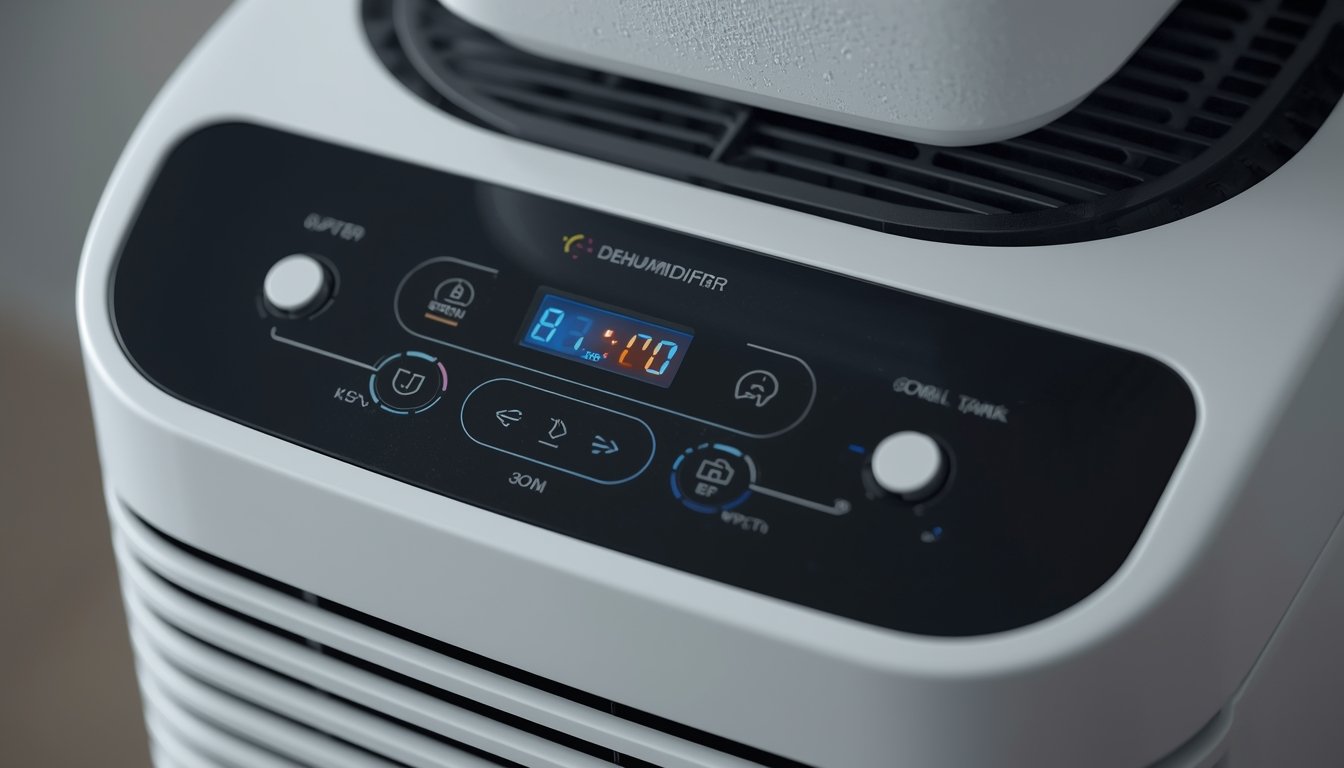
A garage dehumidifier does use electricity, but in most cases the energy consumption is moderate and depends on the size of the unit, how often it runs, and the conditions in the garage.
In most homes, energy use is one of the main concerns when running a dehumidifier regularly. Since garages can have ongoing moisture issues, the unit may need to run daily or continuously, which makes efficiency an important factor.
Many people assume that dehumidifiers are expensive to run, but this is not always the case. When used correctly, they can be relatively efficient, especially compared to the cost of repairing damage caused by excess moisture.
To understand how energy use fits into the bigger picture, it helps to start with what a garage dehumidifier is and do you really need one, as this explains how these units operate and why they may need to run for extended periods.
What Affects Electricity Usage
- The size and capacity of the dehumidifier
- How long the unit runs each day
- The humidity level in the garage
- Temperature and environmental conditions
- Efficiency of the specific model
In most homes, larger dehumidifiers use more power because they are designed to remove more moisture. However, they may also work more efficiently in larger or more humid spaces because they can reach the desired humidity level faster.
A common issue is focusing only on the size of the unit rather than how it is used. A smaller unit that runs constantly may end up using more electricity than a larger unit that cycles on and off efficiently.
Many people find that choosing the right size for their garage helps balance performance and energy use.
Typical Power Consumption
Dehumidifiers vary widely in power usage, but most residential units fall within a moderate range. In most homes, smaller units may use a few hundred watts, while larger models can use more depending on capacity.
A common issue is assuming that higher power consumption always means higher cost. In reality, the total cost depends on how long the unit runs and how efficiently it operates.
Many people find that running a dehumidifier for several hours a day does not significantly increase their electricity bill, especially when compared to other household appliances.
Continuous Operation vs Cycling
- Continuous operation increases total energy use
- Cycling on and off reduces overall consumption
- Automatic settings improve efficiency
- Stable humidity levels reduce run time
- Oversized units may cycle more effectively
In most homes, the way the dehumidifier is used has a major impact on energy consumption. Units that run continuously will naturally use more electricity than those that cycle on and off.
A common advantage of automatic settings is that they allow the unit to operate only when needed. Once the desired humidity level is reached, the dehumidifier shuts off and resumes when conditions change.
Many people find that maintaining stable humidity levels actually reduces energy use over time, because the unit does not need to work as hard to remove excess moisture.
How to Reduce Electricity Costs
- Choose the correct size for your garage
- Use automatic humidity settings
- Keep airflow clear for efficient operation
- Reduce sources of moisture where possible
- Run the unit consistently rather than intermittently
In most homes, small adjustments can make a noticeable difference in energy use. Ensuring the dehumidifier is operating efficiently helps reduce unnecessary run time.
A common issue is running the unit only occasionally. This allows humidity to build up, which then requires longer run times to bring levels back down.
Many people find that consistent operation at a lower intensity is more efficient than running the unit at full capacity for shorter periods.
Is It Worth the Cost?
When considering electricity use, it is important to compare the cost of running a dehumidifier with the potential cost of moisture damage.
In most homes, preventing issues such as rust, mold, and deterioration can save money over time. The relatively moderate energy use of a dehumidifier is often outweighed by the benefits of protecting tools, equipment, and stored items.
Many people find that once humidity is under control, the garage becomes easier to maintain and less prone to ongoing problems.
Conclusion
A garage dehumidifier does use electricity, but the overall cost is usually moderate and manageable. Energy use depends on factors such as unit size, run time, and environmental conditions.
By choosing the right unit and using it efficiently, you can keep electricity costs under control while maintaining a stable, dry garage environment. Over time, this helps protect your space and everything stored inside it.