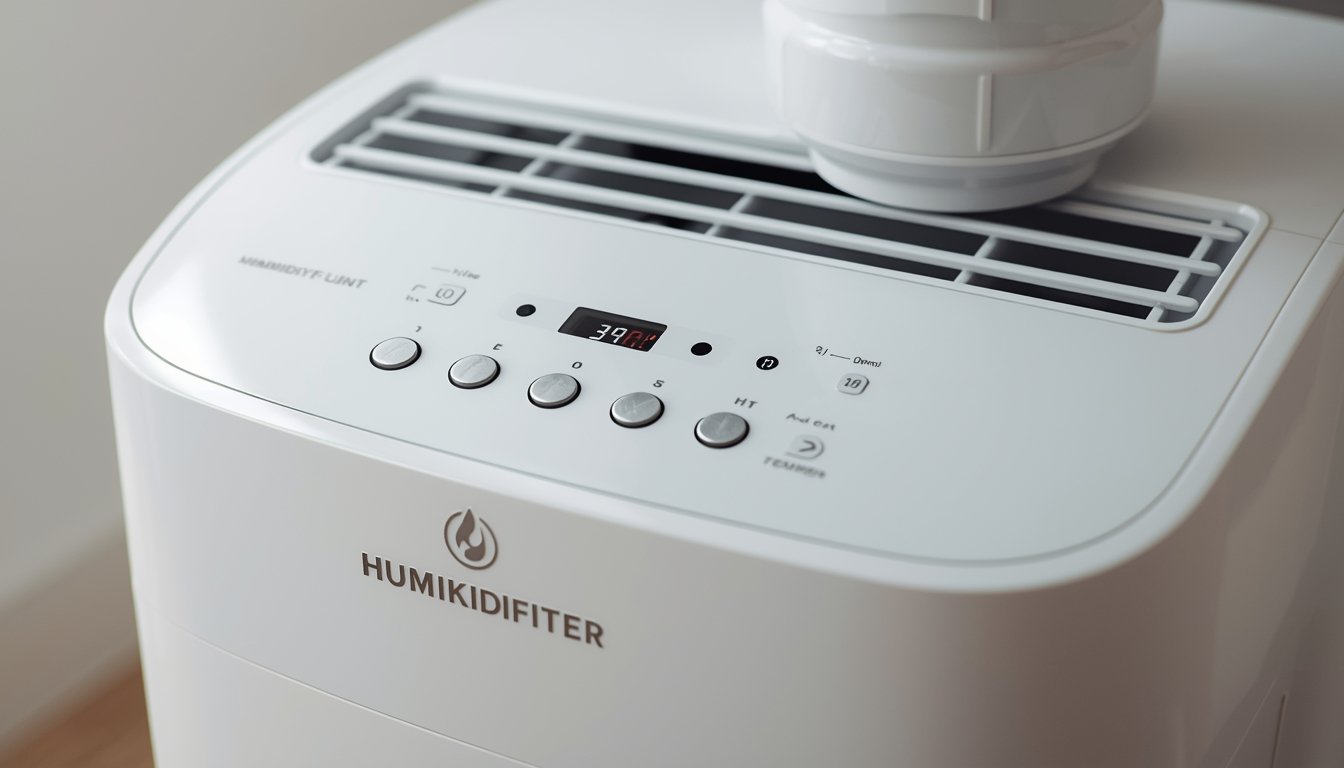
A garage should generally be kept at a humidity level between 50% and 60% to prevent moisture damage while avoiding overly dry conditions.
In most homes, this range provides the best balance between protecting stored items and maintaining a stable environment. If humidity rises above this level, problems such as condensation, rust, and mold become more likely. If it drops too low, it can affect certain materials, although this is less common in garages.
Many people do not realise how much humidity can fluctuate in a garage. Unlike indoor living spaces, garages are often exposed to outside air, temperature changes, and varying levels of ventilation. This makes it harder to maintain a consistent environment without some form of moisture control.
To understand why humidity levels matter, it helps to start with what a garage dehumidifier is and do you really need one, as this explains how controlling moisture helps protect both the space and its contents.
Why Humidity Levels Matter in a Garage
- High humidity leads to condensation and damp surfaces
- Excess moisture causes rust on tools and equipment
- Mold and mildew can develop over time
- Stored items can deteriorate more quickly
- Air quality can become stale or musty
In most homes, the effects of high humidity are gradual. You may not notice them immediately, but over time they can lead to visible damage and reduced lifespan of stored items.
A common issue is assuming that visible dryness means humidity is under control. In reality, moisture in the air can still be high enough to cause problems even when surfaces appear dry.
Many people find that once humidity is reduced to a stable level, the garage feels noticeably cleaner and more comfortable.
What Happens Above 60% Humidity
When humidity rises above 60%, the risk of moisture-related problems increases significantly. In most homes, this is where condensation starts to form more easily, especially on cooler surfaces like concrete floors and metal objects.
A common issue at higher humidity levels is rust. Tools and equipment can begin to corrode, even if they are not directly exposed to water.
Mold and mildew are also more likely to develop in these conditions. This can affect both the structure of the garage and any items stored inside.
Many people find that once humidity consistently exceeds this level, problems begin to appear more quickly and become harder to manage.
What Happens Below 50% Humidity
- Reduced risk of condensation and rust
- Lower chance of mold or mildew growth
- More stable storage conditions
- Improved overall air quality
- Less moisture-related damage
In most homes, keeping humidity below 50% provides strong protection against moisture-related issues. However, garages do not always need to be this dry to remain stable.
A common consideration is energy use. Maintaining very low humidity levels may require the dehumidifier to run more frequently, especially in humid climates.
Many people find that aiming for a range rather than a fixed number provides better results. This allows the system to adapt to changing conditions while still maintaining control.
Why 50–60% Is the Ideal Range
The 50–60% range is widely considered ideal because it balances moisture control with efficiency. In most homes, this level is low enough to prevent damage while avoiding unnecessary energy use.
A common issue is trying to achieve perfect conditions at all times. In reality, small fluctuations within this range are normal and do not usually cause problems.
Many people find that once they set their dehumidifier within this range, the garage environment becomes much easier to manage. The unit can cycle on and off as needed rather than running continuously.
How to Measure Garage Humidity
- Use a digital hygrometer for accurate readings
- Place the sensor away from direct airflow
- Check readings at different times of day
- Monitor changes during different weather conditions
- Look for consistent patterns over time
In most homes, measuring humidity is the first step toward controlling it effectively. A hygrometer provides a clear indication of current conditions and helps you understand how your garage behaves.
A common issue is relying on guesswork rather than actual measurements. Without accurate readings, it is difficult to know whether humidity levels are within a safe range.
Many people find that monitoring humidity over time helps them make better decisions about when and how to run their dehumidifier.
Adjusting Humidity Levels Effectively
- Set your dehumidifier to a target range (50–60%)
- Run the unit consistently rather than occasionally
- Improve airflow where possible
- Reduce sources of moisture entering the garage
- Adjust settings based on seasonal changes
In most homes, maintaining stable humidity requires a combination of consistent operation and small adjustments. Running the dehumidifier regularly helps prevent moisture from building up again.
A common issue is turning the unit off too soon, which allows humidity levels to rise again. This creates a cycle where the garage never fully stabilises.
Many people find that once they establish a routine, maintaining the correct humidity level becomes much easier.
Conclusion
Keeping your garage humidity between 50% and 60% helps prevent moisture-related problems while maintaining a stable environment. This range reduces the risk of condensation, rust, and mold without requiring excessive energy use.
By understanding how humidity behaves in your garage and using the right tools to monitor and control it, you can create a space that remains dry, reliable, and easier to maintain over time.