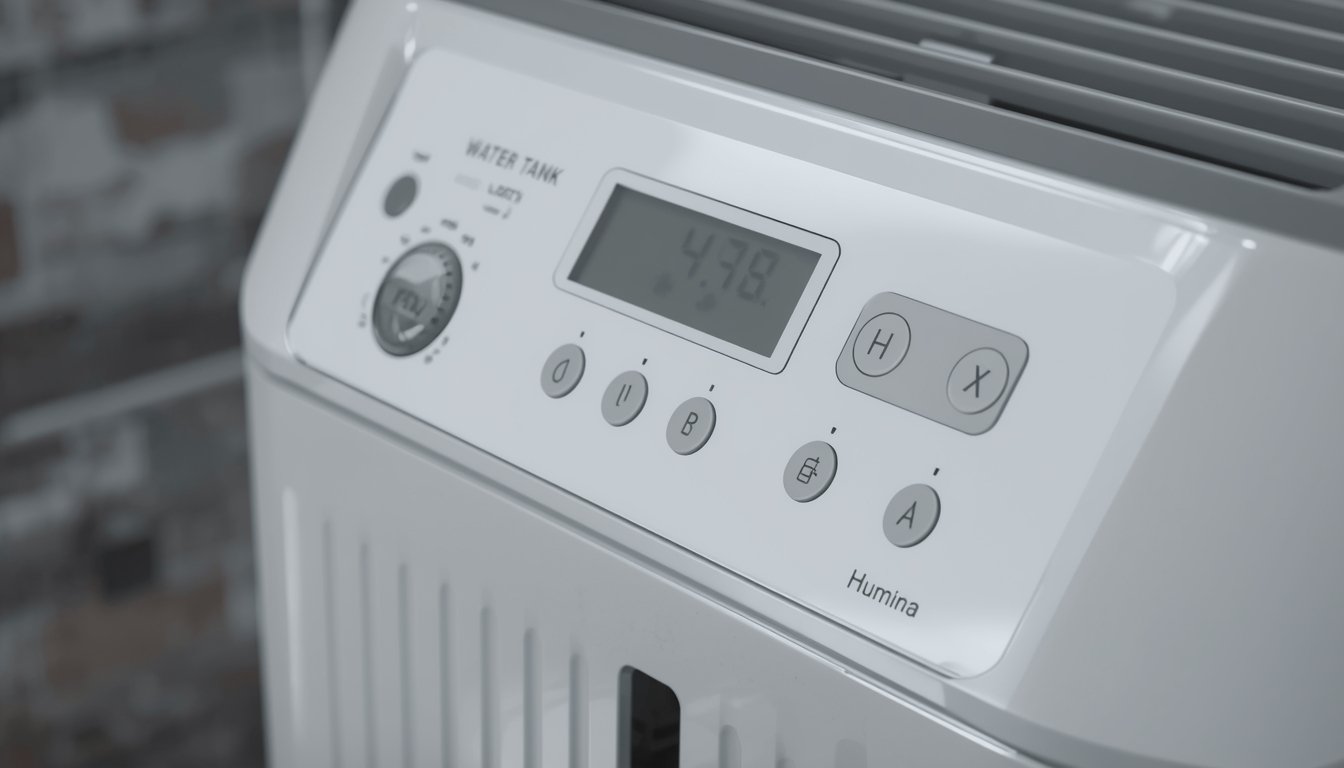
Yes, you can run a dehumidifier in an unheated garage, but its performance will depend on the temperature and the type of dehumidifier you use.
In most homes, unheated garages experience significant temperature drops, especially during colder months. This creates a different environment compared to indoor spaces, and not all dehumidifiers are designed to operate effectively in these conditions.
Many people assume that a standard dehumidifier will work the same in any space, but colder temperatures can reduce efficiency or even prevent some units from working properly. Understanding how temperature affects performance is key to choosing the right setup.
To see how this fits into overall moisture control, it helps to start with what a garage dehumidifier is and do you really need one, as this explains how different systems handle moisture under varying conditions.
How Temperature Affects Dehumidifier Performance
- Colder air holds less moisture than warm air
- Refrigerant units become less efficient in low temperatures
- Frost can form on internal coils in some units
- Moisture removal slows down as temperatures drop
- Performance varies depending on the type of unit
In most homes, temperature plays a major role in how effectively a dehumidifier works. Refrigerant models rely on cooling coils to condense moisture, which becomes less effective as the air temperature drops.
A common issue in unheated garages is that temperatures can fall below the optimal operating range of many standard dehumidifiers. When this happens, the unit may remove less moisture or stop working efficiently.
Many people notice that their dehumidifier runs but does not seem to collect much water during colder periods. This is often due to reduced efficiency rather than a lack of humidity.
Why Refrigerant Dehumidifiers Struggle in Cold Garages
Refrigerant dehumidifiers are designed to work best in moderate to warm conditions. In most homes, they perform well indoors where temperatures remain relatively stable.
However, in an unheated garage, temperatures can drop low enough to affect how the unit operates. The cooling coils may not be able to condense moisture effectively, and in some cases, frost can form on the coils.
A common issue is that the unit may enter a defrost cycle frequently, which reduces the amount of time it spends actively removing moisture.
Many people find that while refrigerant units can still operate in cooler environments, their performance is noticeably reduced compared to warmer conditions.
Why Desiccant Dehumidifiers Perform Better in Cold Conditions
- Do not rely on cooling coils
- Maintain consistent performance at lower temperatures
- Continue removing moisture even in colder air
- Often better suited for unheated spaces
- Provide more reliable results in winter conditions
Desiccant dehumidifiers use a different method to remove moisture, which makes them less affected by temperature changes. In most homes, this allows them to perform more consistently in unheated garages.
A common advantage is that these units continue to operate effectively even when temperatures drop significantly. This makes them a better option for garages that are not insulated or heated.
Many people find that switching to a desiccant model improves moisture control during colder months, especially in climates where temperatures regularly fall.
What Temperature Range Should You Consider?
Most dehumidifiers have a recommended operating temperature range. In most homes, garages can fall outside this range, particularly at night or during winter.
A common issue is not checking the unit’s specifications before using it in a colder environment. This can lead to reduced performance or unexpected behaviour.
Many people find that choosing a unit specifically designed for lower temperatures provides more reliable results. This is especially important if the garage remains unheated for extended periods.
Practical Tips for Running a Dehumidifier in an Unheated Garage
- Choose a unit designed for low-temperature operation
- Monitor performance during colder periods
- Position the unit in an area with better airflow
- Use a model with an automatic defrost function
- Consider seasonal adjustments if needed
In most homes, small adjustments can improve how well a dehumidifier performs in an unheated garage. Placing the unit in a slightly warmer area or ensuring good airflow can make a difference.
A common issue is expecting the same performance year-round. In reality, conditions change, and the unit may need to work differently depending on the season.
Many people find that understanding these changes helps them get better results without needing to constantly adjust the setup.
When It Still Makes Sense to Use One
Even in an unheated garage, a dehumidifier can still be useful. Moisture problems do not disappear in colder conditions, and controlling humidity remains important for protecting tools, equipment, and stored items.
In most homes, the goal is not to eliminate humidity completely but to keep it within a stable range. Even reduced performance can still provide benefits if it helps prevent condensation and moisture buildup.
Many people find that using the right type of dehumidifier allows them to maintain better conditions throughout the year.
Conclusion
You can run a dehumidifier in an unheated garage, but its effectiveness depends on temperature and the type of unit you use. Refrigerant models may struggle in colder conditions, while desiccant units tend to perform more consistently.
By understanding how temperature affects performance and choosing the right equipment, you can maintain better humidity control even in unheated spaces. This helps protect your garage and everything stored inside it, regardless of seasonal changes.